
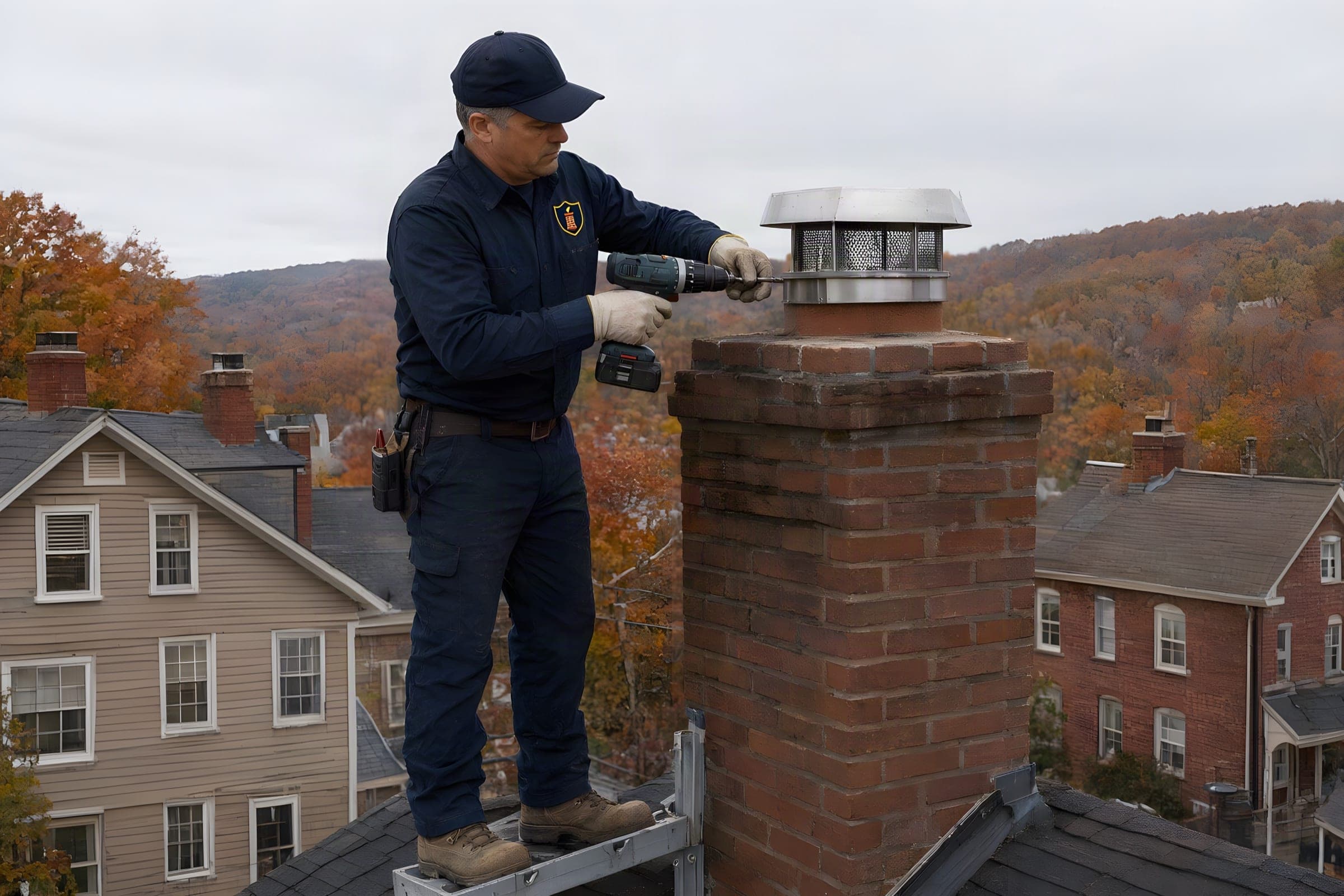
Chimney Cap Installation
The cheapest repair on any chimney: a stainless hood and screen that keeps weather and animals out.
Read more
Binghamton Master Chimney Sweep sweeps Kirkwood chimneys for people who actually heat with them: wood stoves, inserts, fireplaces and furnace flues. We brush out the creosote, inspect the flue, and handle caps, liners and brick when they're due. The first flue is $250, inspection included.
Kirkwood runs about ten miles down the Susquehanna from Binghamton to the Pennsylvania line, strung out along US 11 and I-81 through Five Mile Point, Kirkwood Center, Langdon, the village and Riverside. Off the main road it's farmhouses and newer homes up the hollows, and a lot of them heat with wood. That shapes what we do here.
If the stove is your main heat, one fall sweep may not carry you through to spring. A quick mid-winter check, usually around late January, tells you how fast your setup builds creosote. Some Kirkwood stoves barely need it. Others are at 1/8 inch by Christmas.
Book the fall sweep in summer if you can. August through November is our busiest stretch, and stove owners all wake up at the same time.
Wood smoke that cools before it leaves the chimney leaves creosote behind, a sticky, flammable tar that coats the flue. A stove turned down low for an all-night burn makes cool, lazy smoke, and that's exactly when creosote builds fastest. It starts as dry soot, turns crunchy, and if it keeps cooking it becomes a hard, shiny glaze that a brush skates right over.
The national fire numbers back up why this matters. US fire departments see about 34,200 home heating fires a year, and 77% of them are confined to the chimney, flue or fuel burner. Most of those start with creosote. A clean flue doesn't have the fuel for one.
The single best thing a Kirkwood woodburner can do is burn dry wood. Split it, stack it off the ground with the top covered and give it at least six months, a year for oak. Dry wood reads 20% moisture or less on a cheap meter. Wet wood steams, smolders and coats the chimney.
A lot of Kirkwood homes still run a stove from the 1970s or 80s, the big airtight boxes that were sold by the thousand during the oil crunch. They heat fine, but they were built to be choked down, and choked-down fires are what make glazed creosote. Stoves certified to the EPA's 2020 limit burn much cleaner, with secondary air that burns the smoke itself. In our experience a newer stove on dry wood often goes a full season with a light coat of soot, while an old one on green wood can coat its chimney in a couple of months.
A chimney fire can sound like a freight train or a jet in the walls, with dense smoke and sometimes sparks shooting from the top. Some burn quietly and nobody notices. Afterward you may see puffy, honeycomb-like creosote, warped metal or cracked tiles. If you think you've had one, call the fire department first, and don't use the chimney again until it's been inspected.
The Susquehanna forms Kirkwood's western edge, and it has not been gentle. The floods of June 2006 and September 2011 damaged hundreds of homes in the town. Water in a basement doesn't just ruin the furnace. It fills the bottom of the chimney through the cleanout, leaves silt behind and soaks the base of the brick.
If your home took water, have the chimney base and cleanout checked even if everything upstairs looks fine. We've found buckets of dried river mud in the bottom of furnace flues years after a flood, partly blocking the furnace connection the whole time.
We sweep the stovepipe, the chimney and the stove's baffle area, then inspect it. Our standard sweep is $250 for the first flue.
Hard, glazed creosote needs rotary tools or a treatment that softens it. It costs extra, and we price it on site before starting.
For homes without a usable chimney, we install insulated metal chimney pipe listed for wood stoves, with the right clearances and a proper roof flashing. See wood stove chimney installation.
A cap keeps rain and animals out. A stainless liner fixes a cracked clay flue under a stove or insert.
Repointing worn joints and rebuilding cracked crowns before the next round of freezing.
| Job | Notes | Price |
|---|---|---|
| Wood stove or fireplace sweep | First flue, inspection included | $250 |
| Extra flue | Same visit | $150 |
| Inspection only | No sweep needed | $150 |
| Insulated metal chimney | New stove, through the ceiling or wall | $2,000 to $5,000 |
| Stainless liner for a stove | Most single-story runs | $1,500 to $3,500 |
Kirkwood carries no trip charge. The same $250 we charge in Binghamton applies from Five Mile Point all the way to Riverside.
Right across the Conklin-Kirkwood Bridge, the town of Conklin has the same river history and a lot of the same stoves. Our page on chimney sweep service in Conklin covers it.
The cheapest repair on any chimney: a stainless hood and screen that keeps weather and animals out.
Read more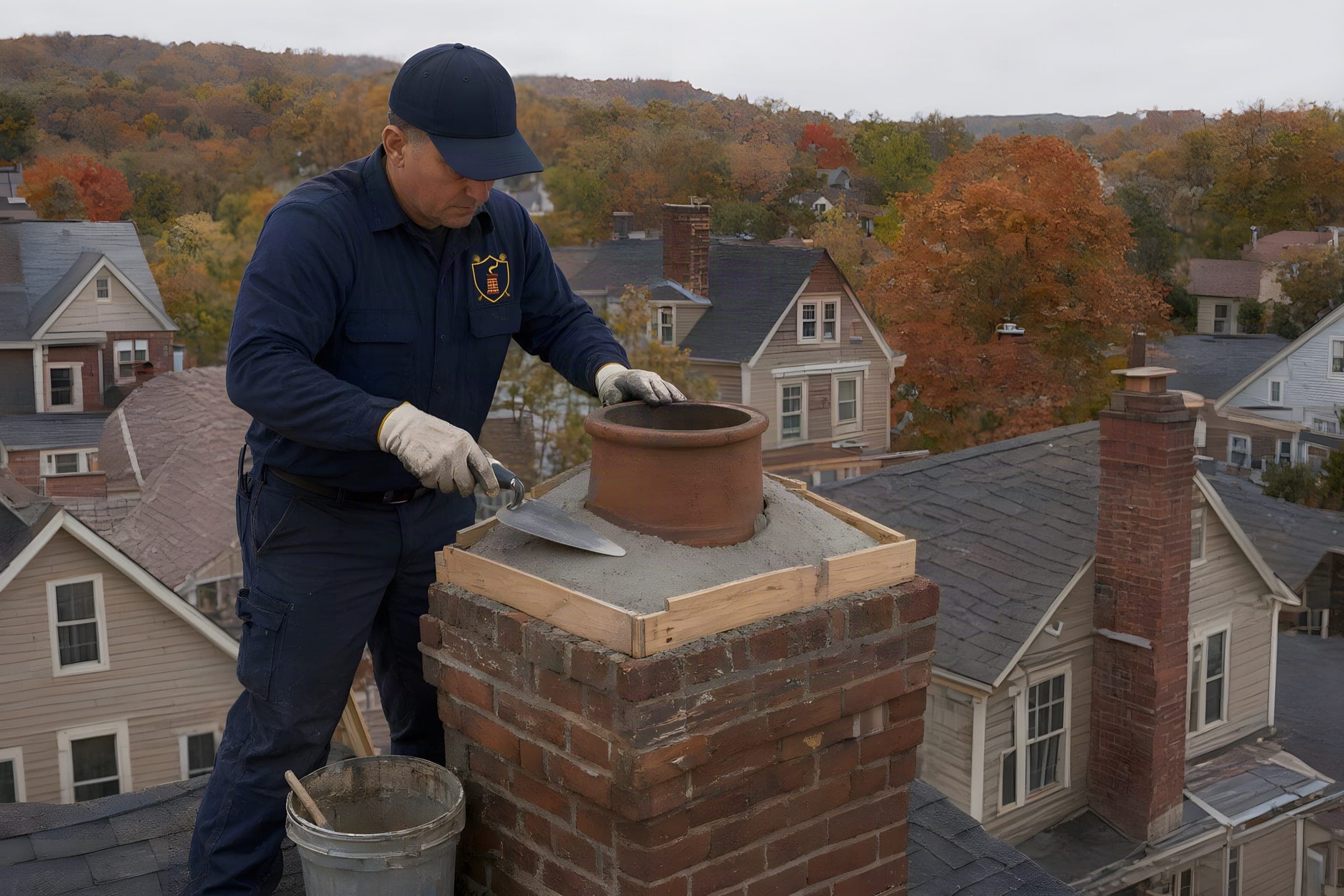
Hairline cracks sealed, broken crowns rebuilt with a real overhang so rain drips clear of the brick.
Read more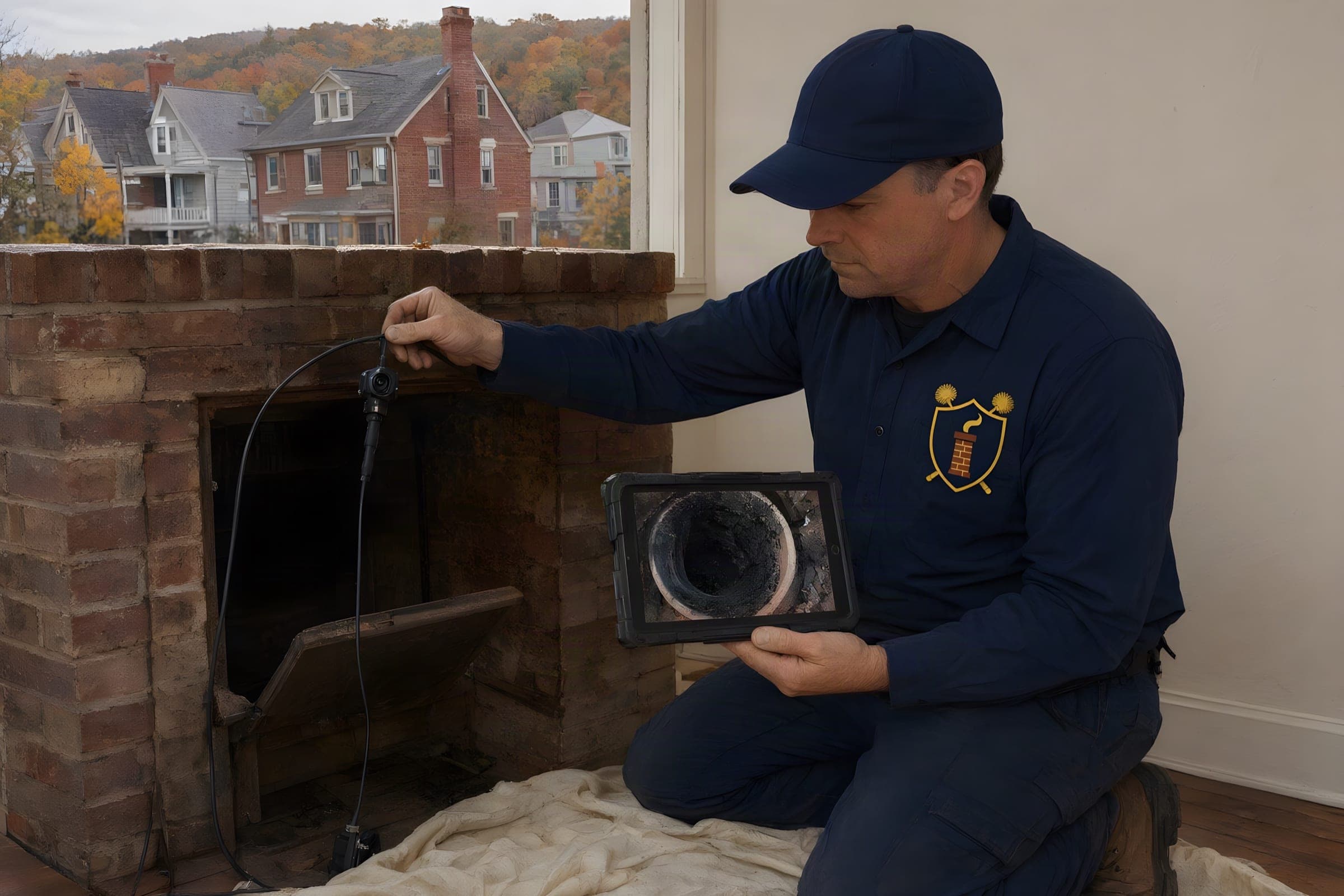
A yearly look with every sweep, or a camera run down the flue before you buy or switch stoves.
Read more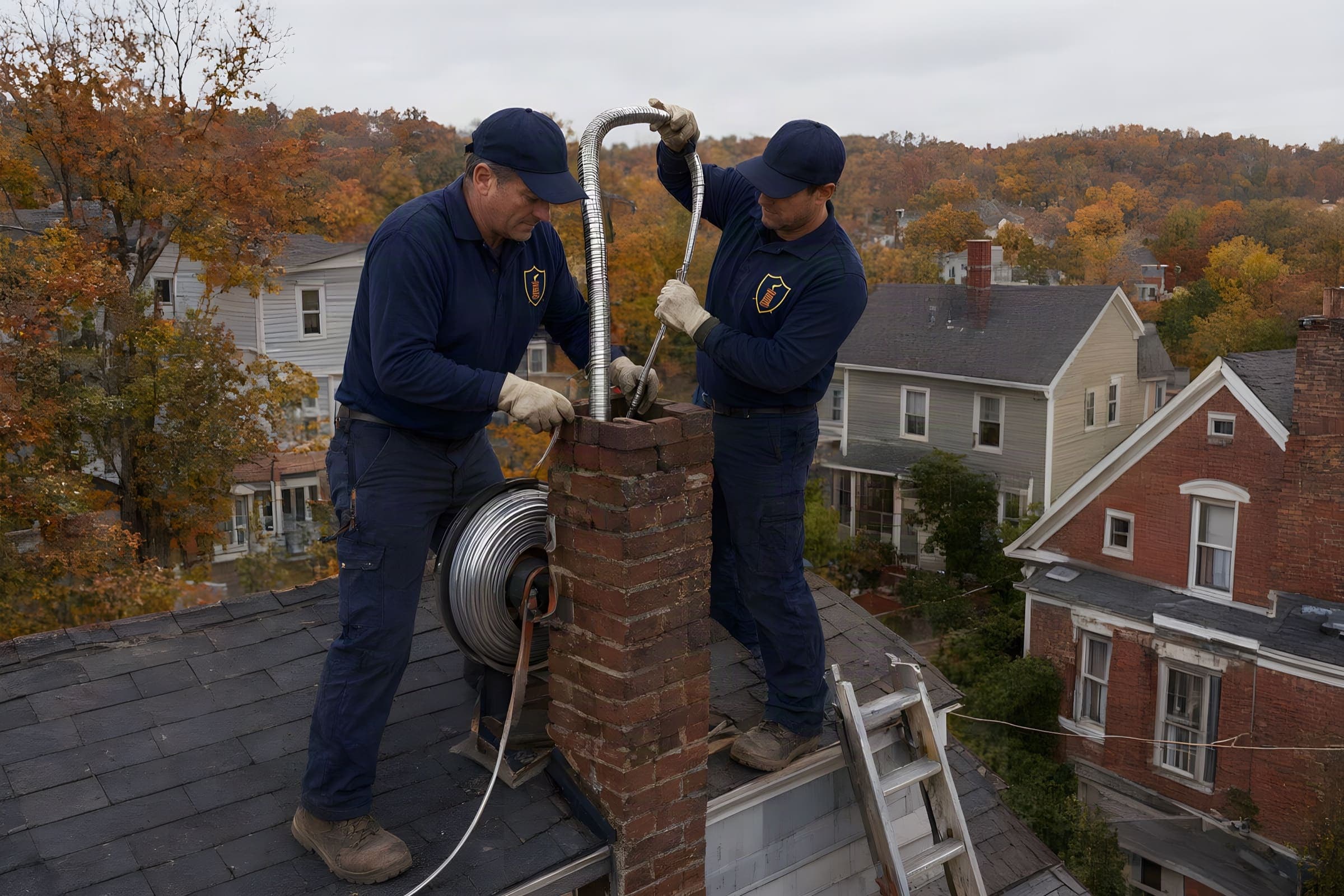
A stainless sleeve inside a cracked clay flue, sized to the stove, insert or furnace that uses it.
Read more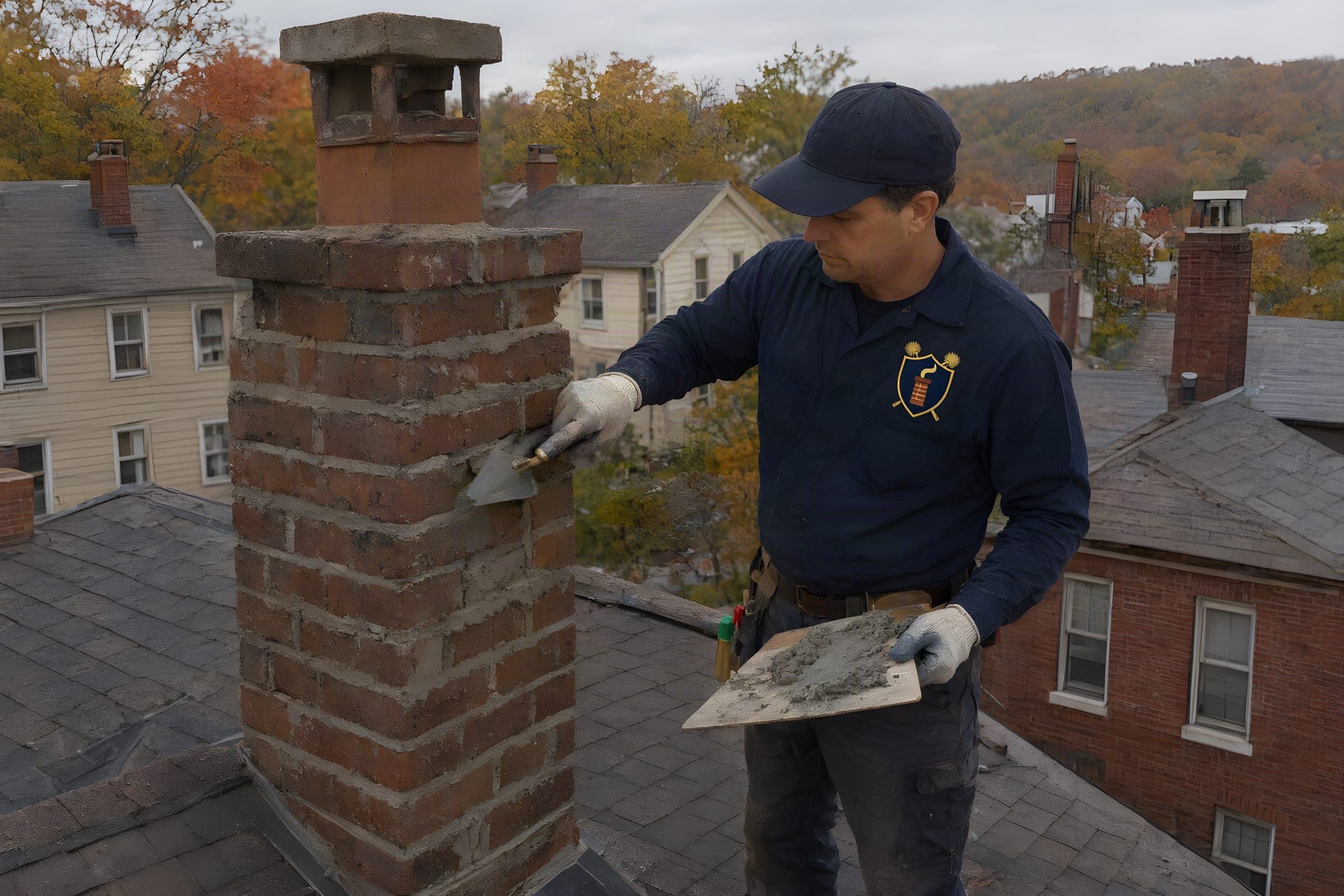
Chimney repointing, tuckpointing and brick repair: worn joints repacked and flaking brick replaced before the freeze gets further in.
Read more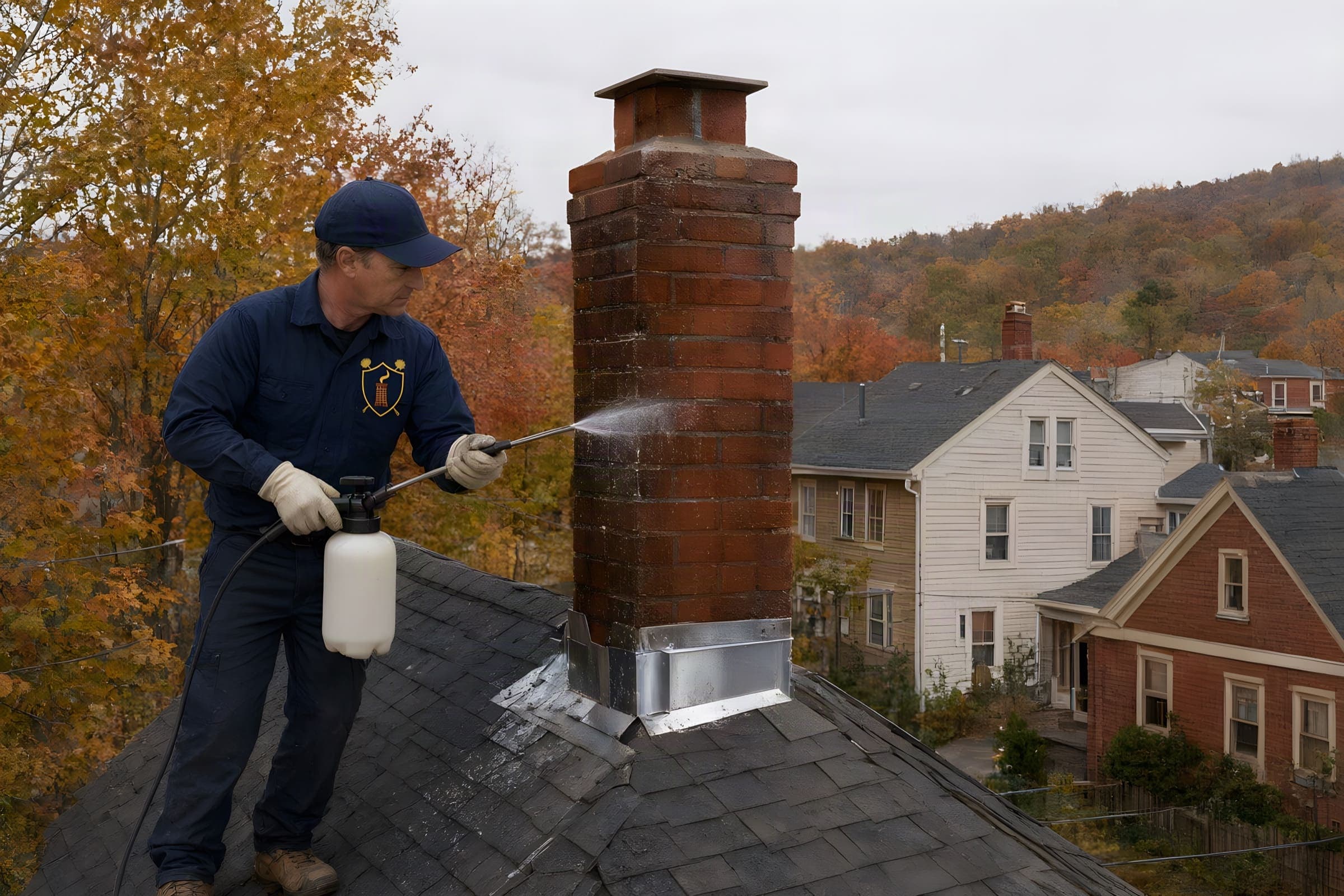
Leaks traced to the source, then sealed with a breathable repellent and flash seal.
Read more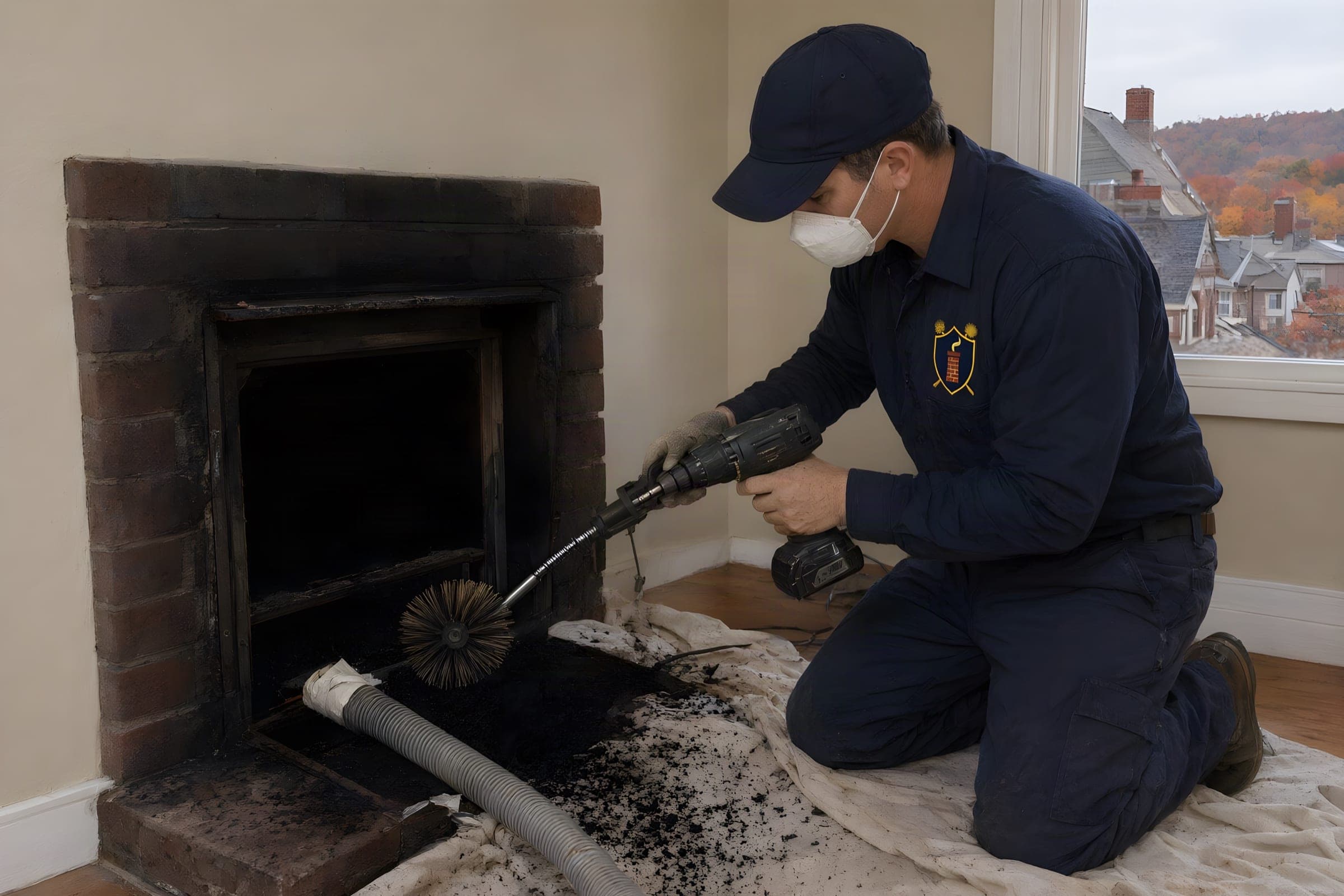
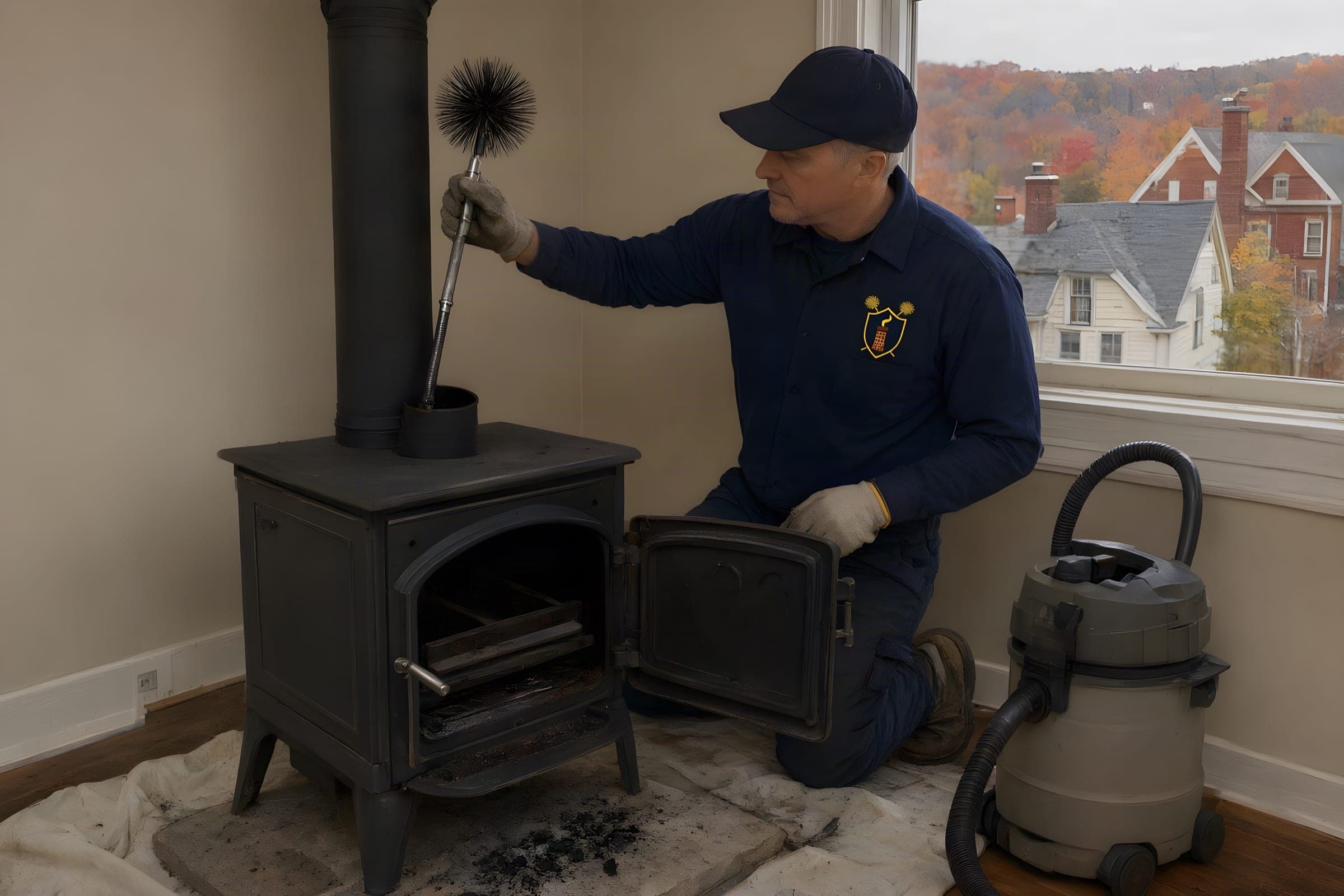
Stove and insert flues swept, baffle cleared and checked, $250 with the inspection.
Read more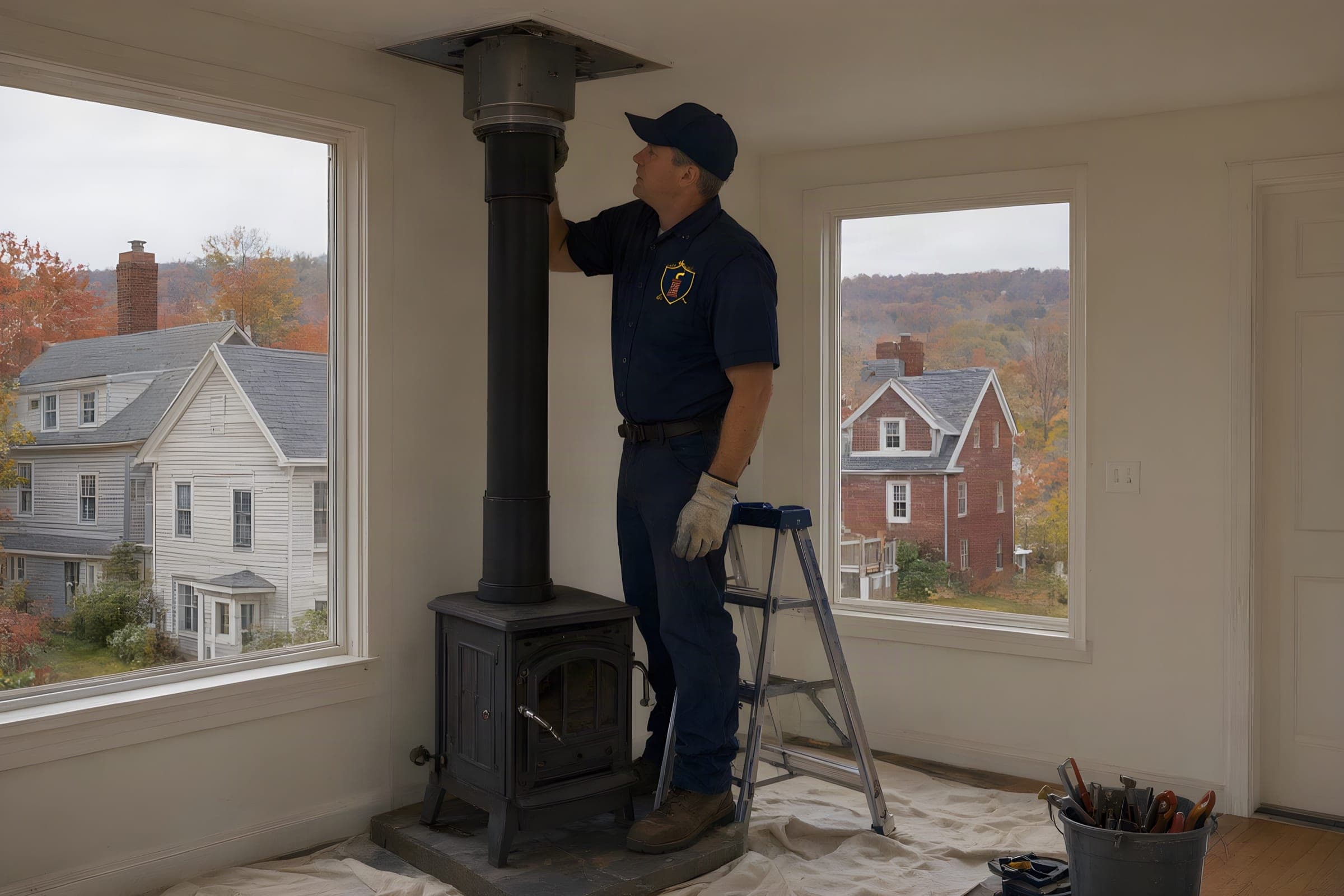
A new prefab chimney or liner for the stove you just bought, cleared to code.
Read moreAt least once a year, and more if the stove is your main heat. The rule of thumb is to sweep when creosote reaches 1/8 inch, about two credit cards thick. Daily burners in Kirkwood often hit that by midwinter, so we suggest a fall sweep and a quick January check the first year.
A chimney sweep in Kirkwood is $250 for the first flue, plus tax, with an inspection included, and $150 for each extra flue on the same visit. There's no trip charge for Kirkwood. Glazed creosote that needs special tools is extra, and we price it on site before we start.
Yes. Flood water fills the bottom of a chimney through the cleanout and leaves silt that can block the furnace or water heater connection. It also soaks the brick at the base. Have the cleanout emptied and the flue inspected before the heating season, even if the rest of the house dried out fine.
Leave your name, number and a line about the chimney. We call back the same business day.