
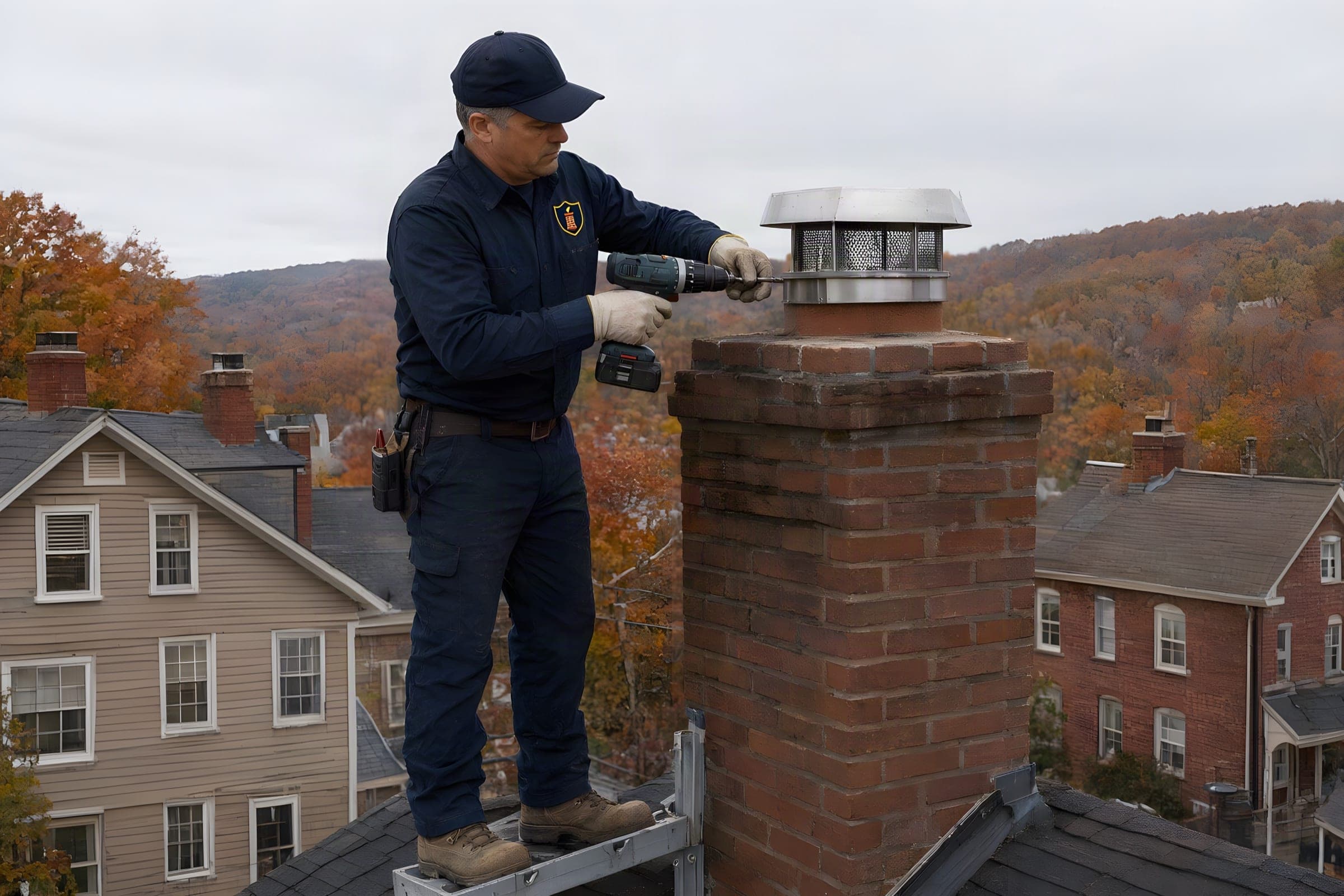
Chimney Cap Installation
The cheapest repair on any chimney: a stainless hood and screen that keeps weather and animals out.
Read more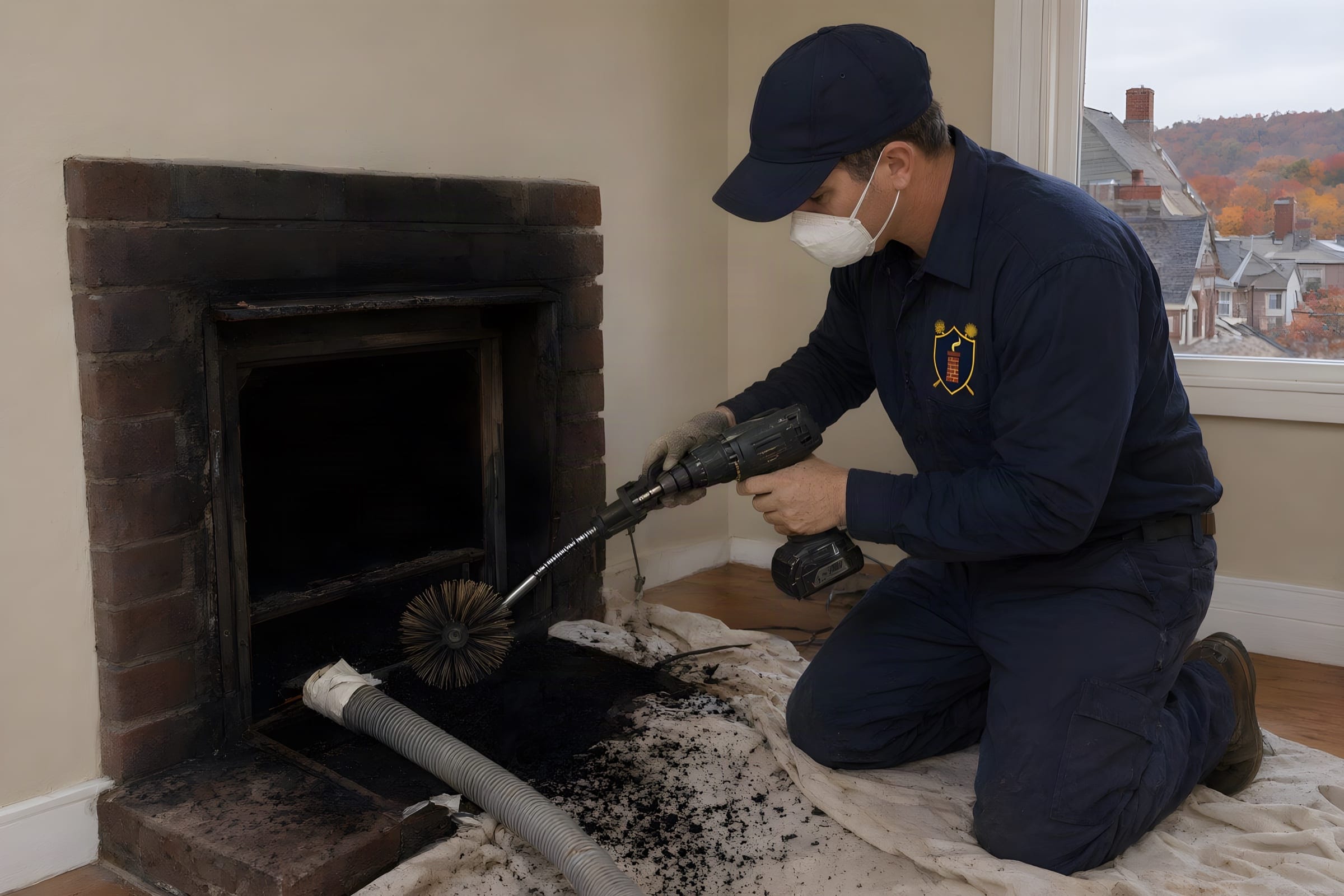
Binghamton Master Chimney Sweep does creosote removal in Binghamton for flues a normal sweep can't clear. Light soot comes out with the $250 sweep. Crunchy flakes and shiny glazed creosote take rotary tools or a treatment, and we price that in writing once we've seen it.
Creosote is what wood smoke leaves behind when it cools before it gets out of the chimney. Think of the grease on a stovetop hood that nobody ever wipes: thin and dusty at first, then sticky, then baked on hard. Sweeps sort it into three stages, and each one comes out differently.
Here's what we see, and what we do about it:
Dry, black, powdery soot. A wire or poly brush on rods takes it off in one pass, and it's covered by the regular sweep. This is what a flue looks like when the wood is dry and the fires burn hot.
Shiny, crunchy flakes that look like puffed black cereal. It takes stiffer brushes and more passes, sometimes a rotary head on a drill. Most stage 2 flues we find belong to stoves that get turned down low all night.
A hard, glassy coating, like tar poured down the flue and left to cool. Brushes slide right over it. We use a rotary cutting head (chains or carbide on a spinning rod) or a chemical treatment that turns the glaze crumbly over a few fires, then sweep again.
A chimney fire often leaves puffy, honeycomb creosote behind. It can crack the clay flue tiles too. We clear what's left, then run the camera, because a flue that just burned may not be safe to use until it's repaired or relined.
Before we leave, you get the short list: dry wood, hotter fires, a sweep every year. If the flue is oversized or runs cold up an outside wall, an insulated chimney liner keeps the smoke warm enough that far less sticks.
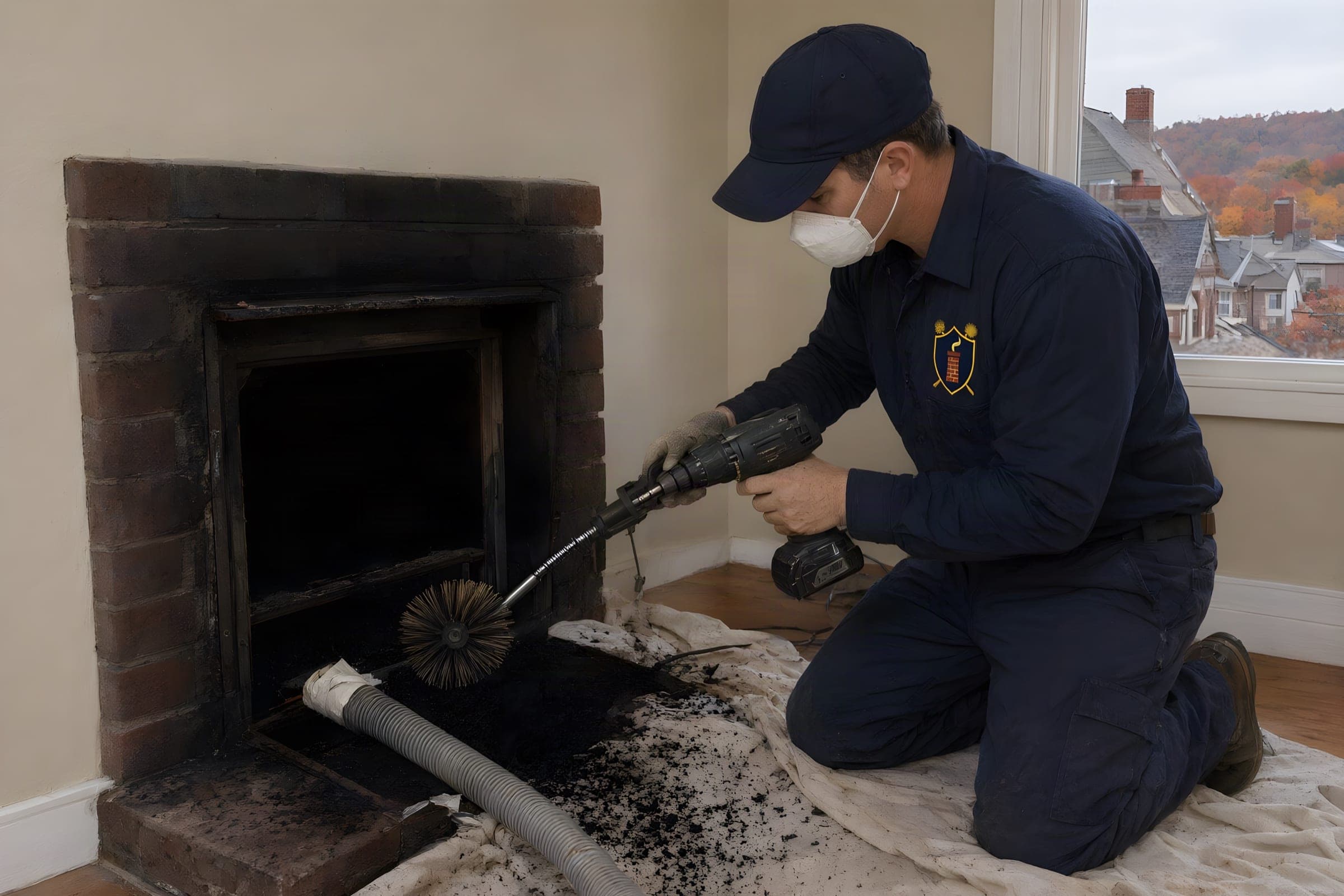
Creosote removal in Binghamton is part of the $250 sweep when it's light, dry soot. Crunchy stage 2 buildup that needs extra brushing brings the total to $250 to $450. Shiny glazed creosote, cut out with rotary tools or a chemical treatment, costs $400 to $1,200.
We show you the creosote and write the price down before any extra work. If the glaze is too thick to cut safely, we'll say so and talk about relining instead.
Heavy creosote comes from smoke that cools down before it leaves the chimney. The usual causes are wet wood, a stove choked down low for long overnight burns, and a flue that's too big or too cold for the fire under it. Fix those, and the buildup slows to a crawl.
Binghamton's older homes make that last one common. A wide clay flue built for a coal furnace in the 1920s, now venting a small modern stove, is a creosote factory. That's a Southern Tier chimney for you.
Not every chimney fire roars. A slow one can burn out while you sleep. Watch for:
Glazed creosote is concentrated fuel stuck to the inside of your chimney. When it lights, it burns hot enough to crack clay flue tiles and to heat nearby framing. US fire data counts about 34,200 home heating fires a year, and most are confined to the chimney or flue. A confined fire is still a damaged chimney.
| Stage | What it looks like | How it comes out |
|---|---|---|
| Stage 1 | Dry, powdery soot | Standard brush, part of the sweep |
| Stage 2 | Crunchy, shiny flakes | Stiff brushes, rotary head |
| Stage 3 | Hard tar glaze | Rotary cutting or chemical treatment |
We cut out glaze in old flues from the city's west side down to Conklin. If you think you had a chimney fire, don't light another fire until the flue has been checked with a chimney inspection.
Not fully. Creosote sweeping logs and powders can loosen light buildup and dry out some glaze, but the loosened flakes still have to come out of the flue, the smoke shelf and the stovepipe. A brush and a vacuum finish the job, and only a look inside tells you it's actually clean.
Yes, it's the most dangerous stage. Glazed creosote is thick, concentrated fuel coating the flue, and if it ignites it can burn hot enough to crack clay flue tiles. Don't use a fireplace or stove with glazed creosote in the flue until it has been removed and the flue checked.
If it's burning, get everyone out and call 911. Once it's out, don't light another fire until the chimney has had a camera inspection. Chimney fires often crack flue tiles and warp caps without any outside sign, and your insurance company will usually want the inspection report anyway.
The cheapest repair on any chimney: a stainless hood and screen that keeps weather and animals out.
Read more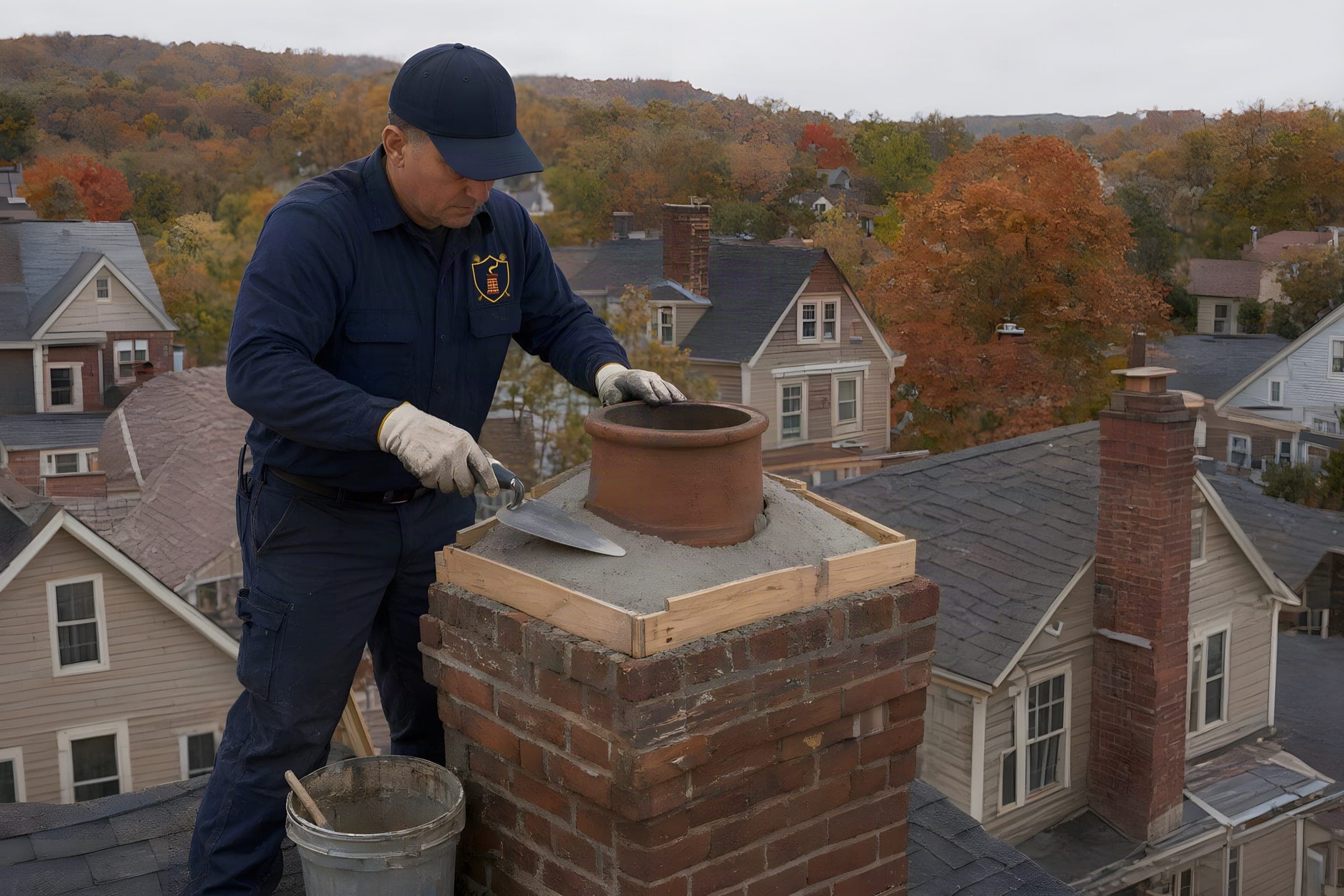
Hairline cracks sealed, broken crowns rebuilt with a real overhang so rain drips clear of the brick.
Read more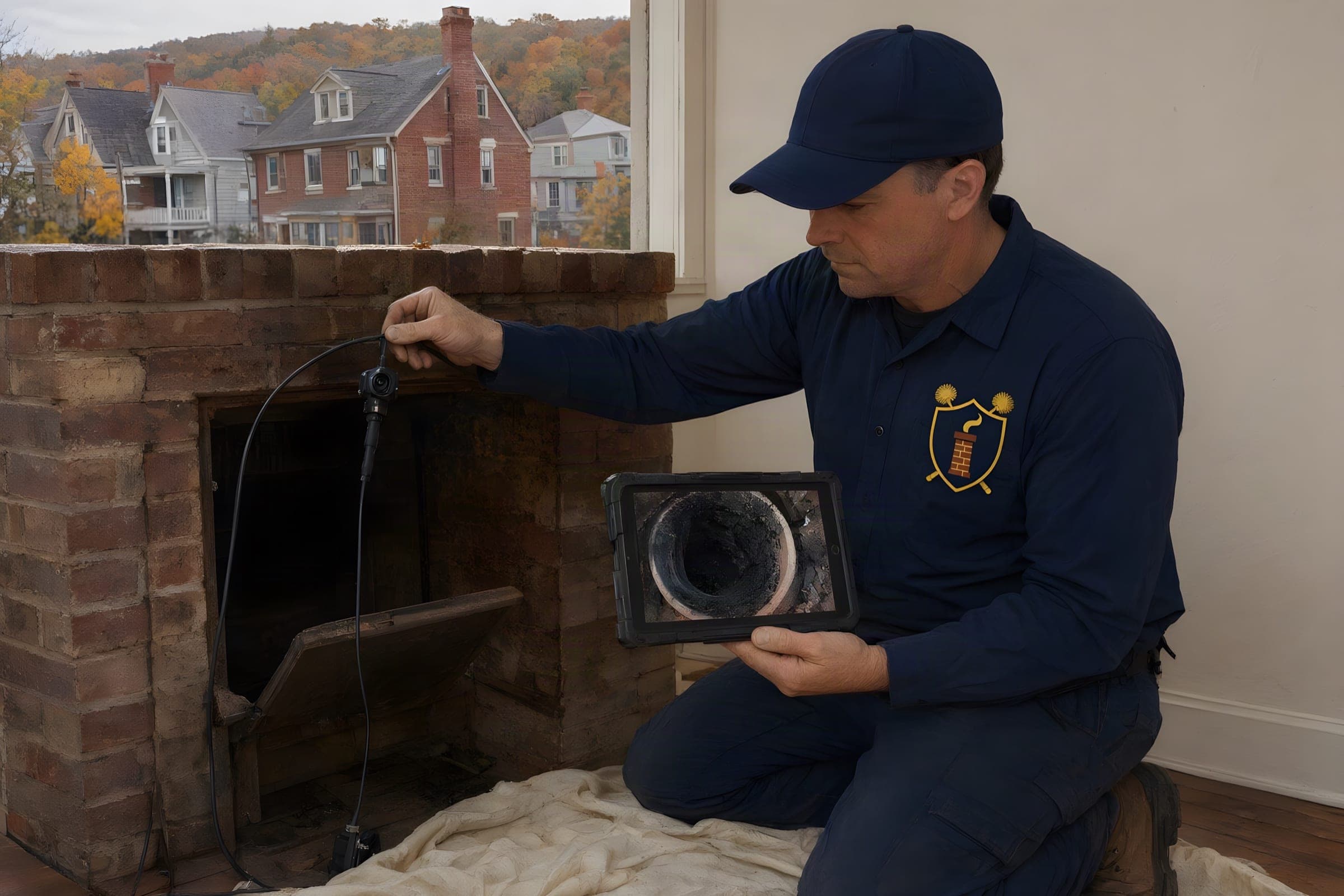
A yearly look with every sweep, or a camera run down the flue before you buy or switch stoves.
Read more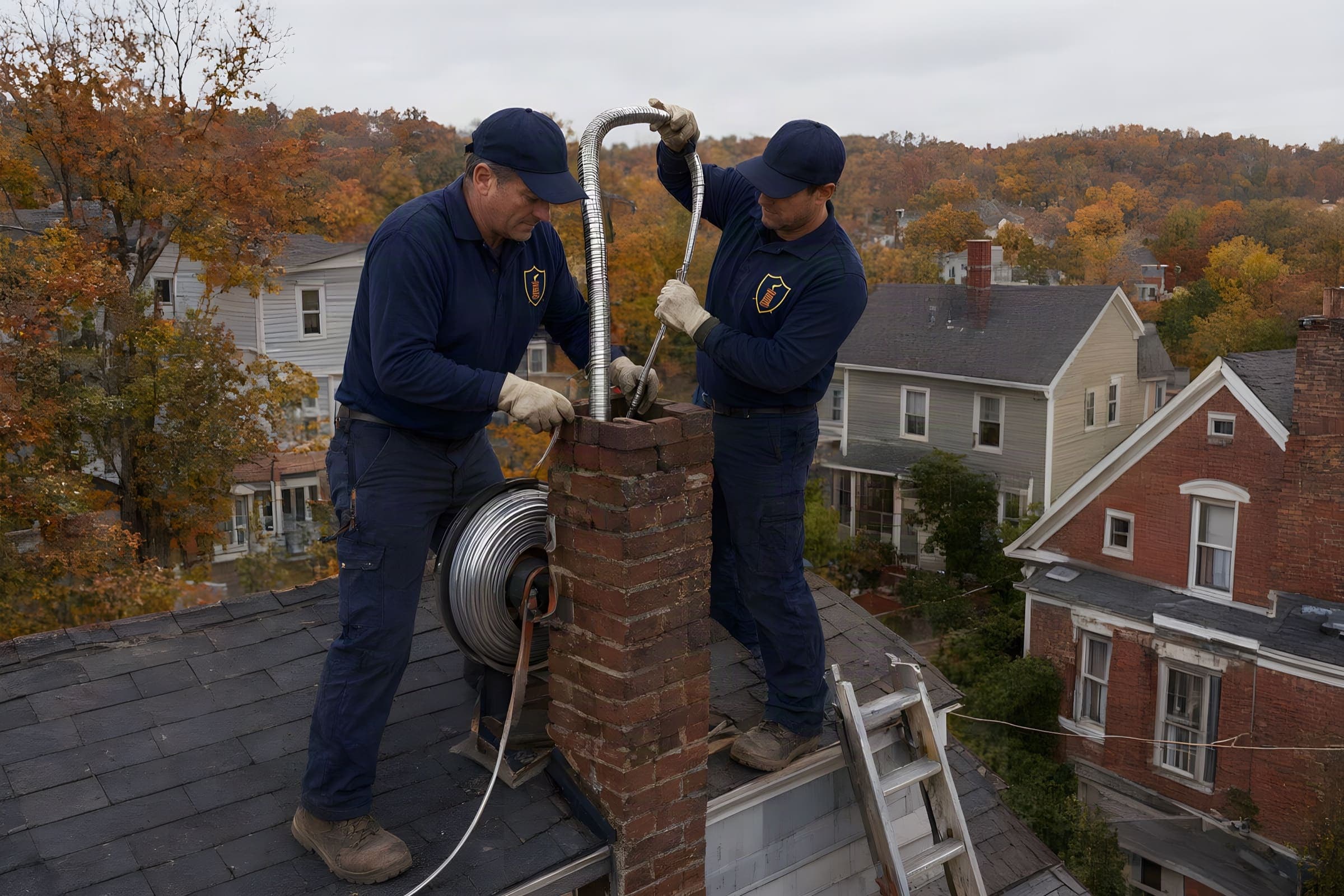
A stainless sleeve inside a cracked clay flue, sized to the stove, insert or furnace that uses it.
Read more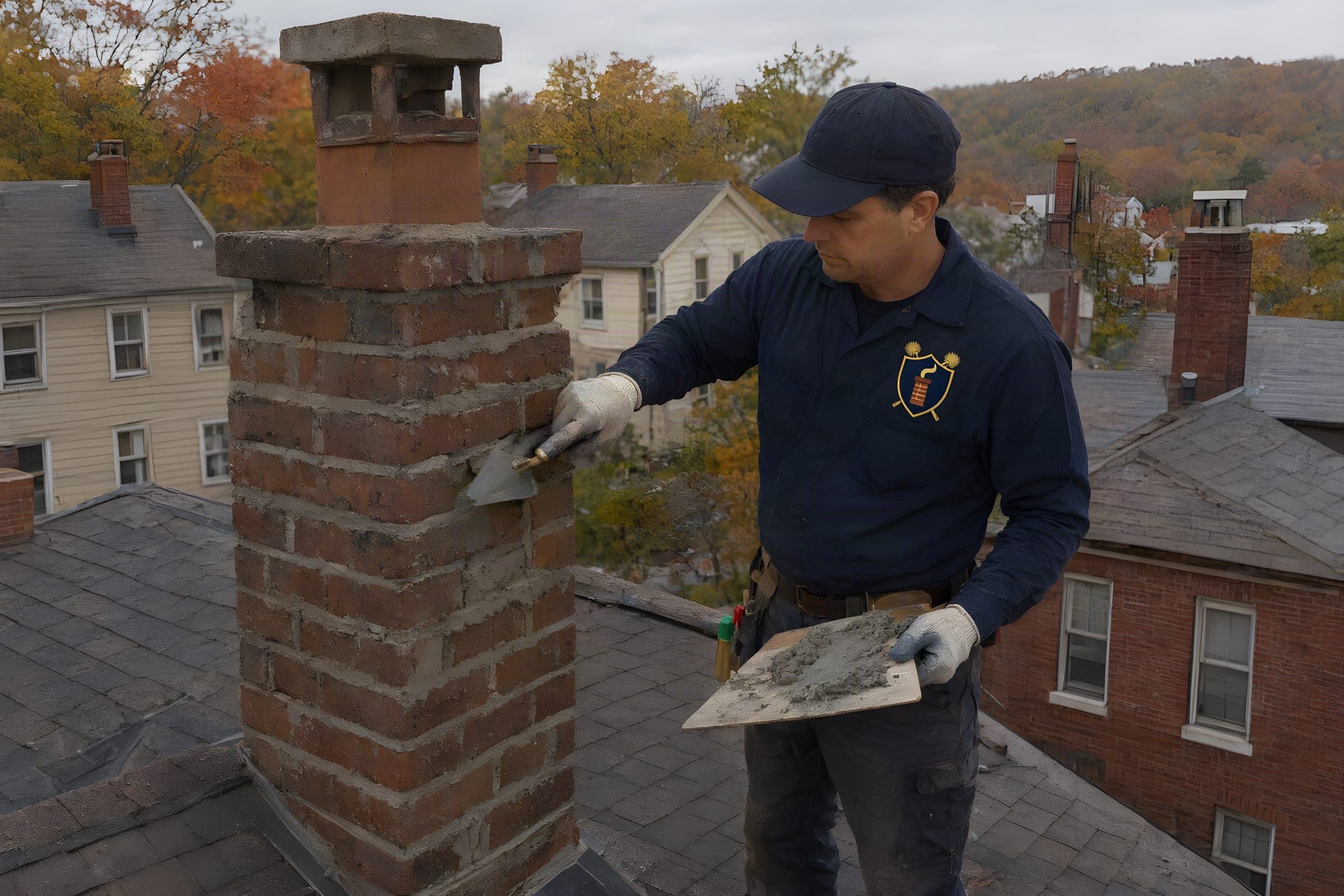
Chimney repointing, tuckpointing and brick repair: worn joints repacked and flaking brick replaced before the freeze gets further in.
Read more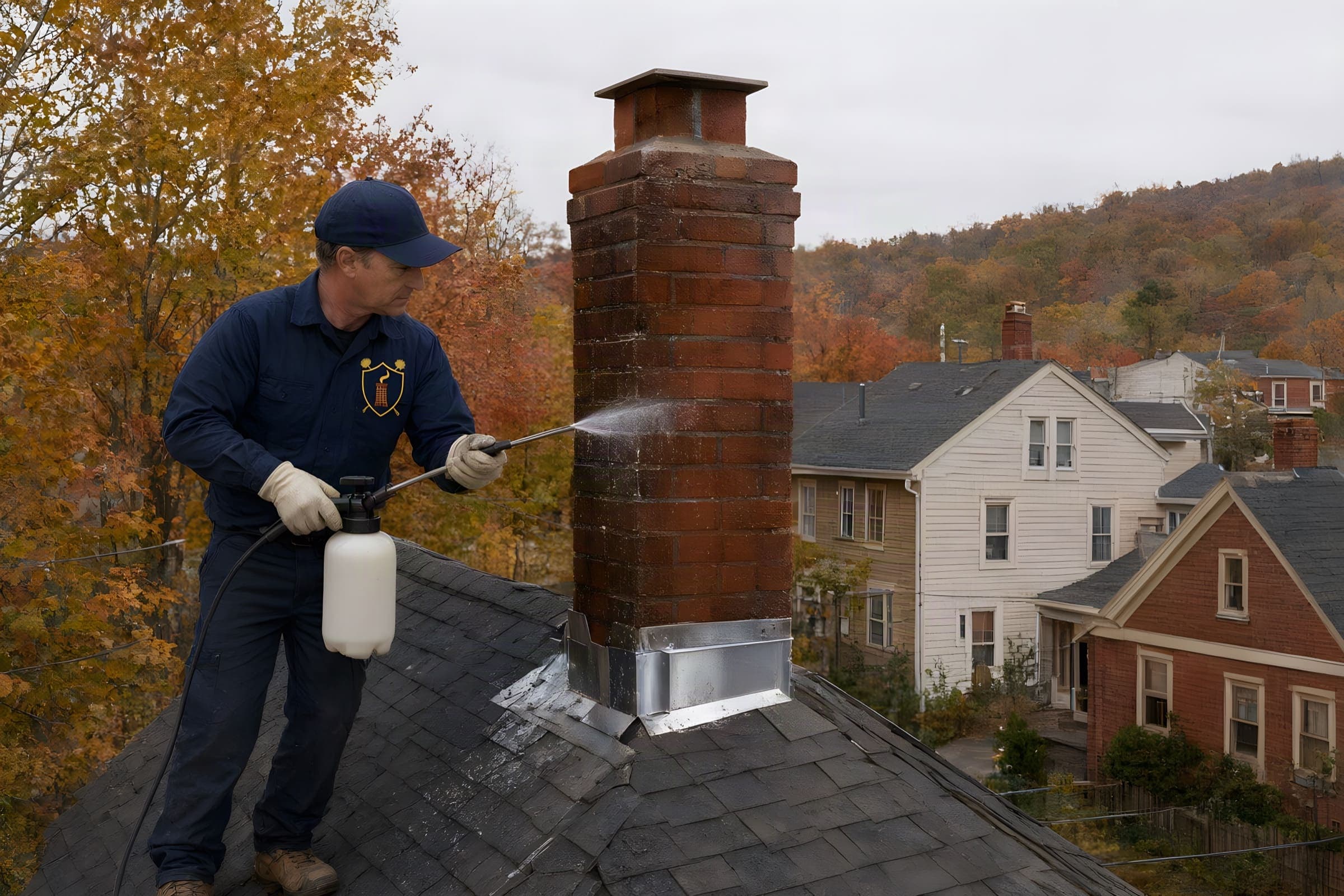
Leaks traced to the source, then sealed with a breathable repellent and flash seal.
Read more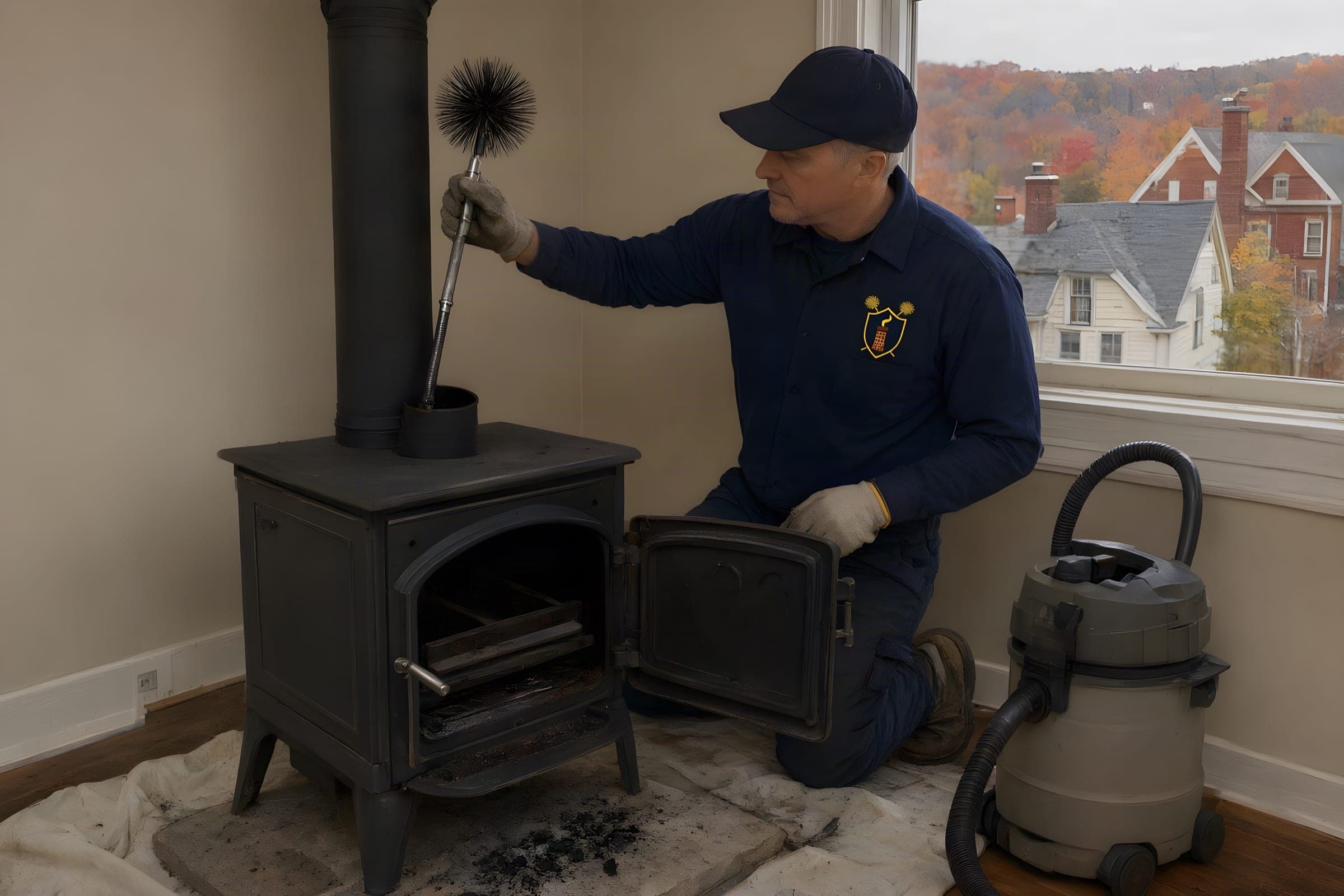
Stove and insert flues swept, baffle cleared and checked, $250 with the inspection.
Read more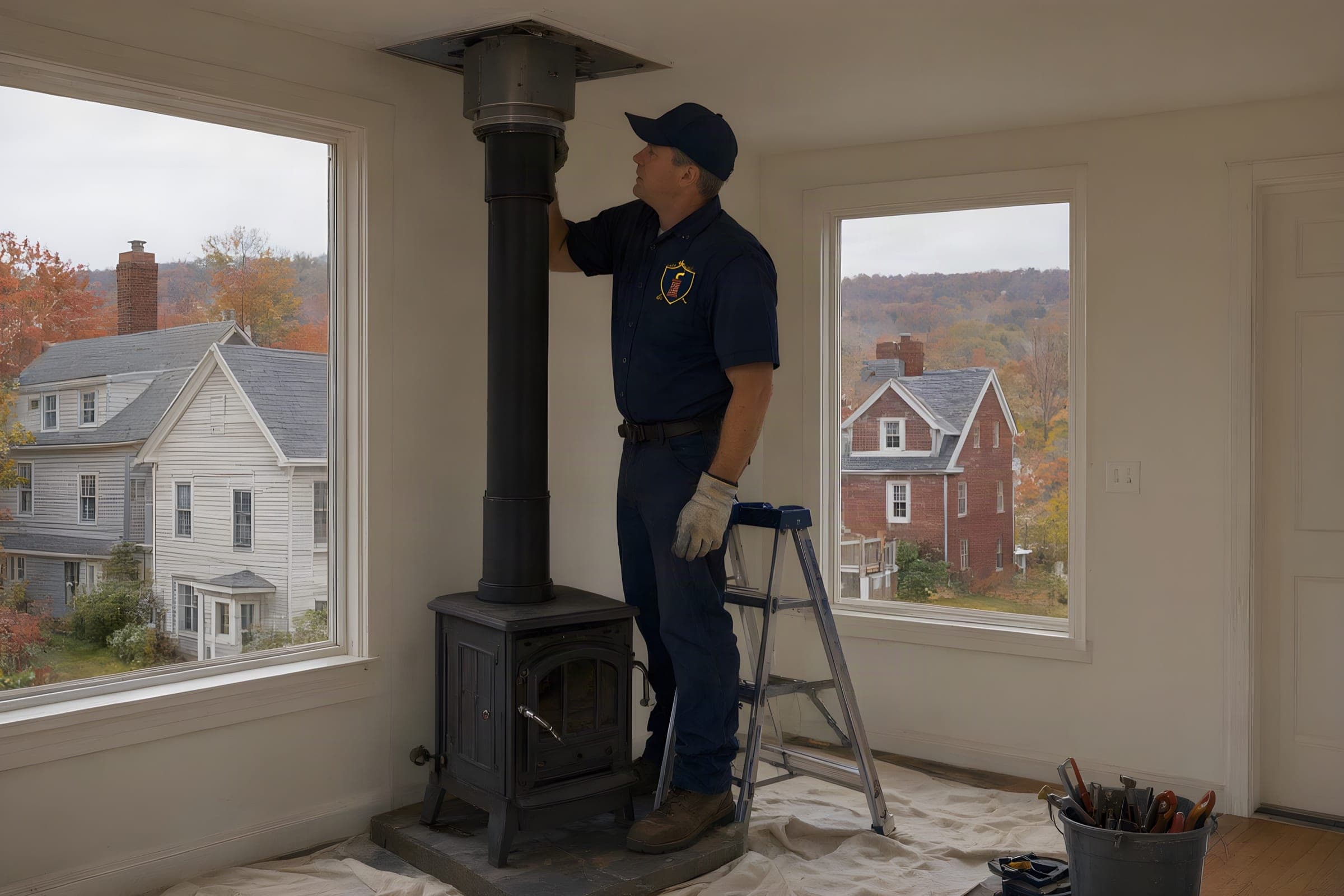
A new prefab chimney or liner for the stove you just bought, cleared to code.
Read moreLeave your name, number and a line about the chimney. We call back the same business day.