
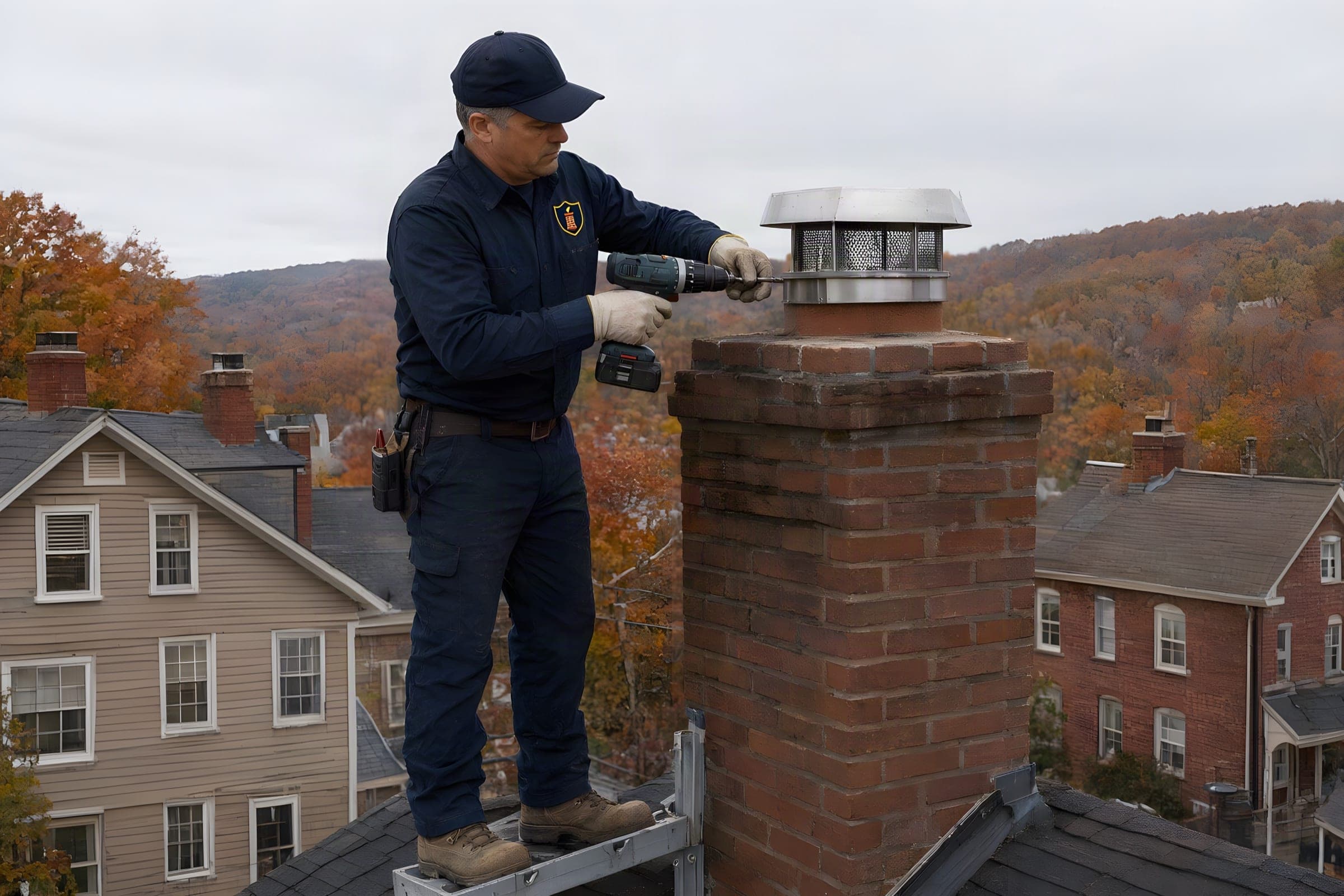
Chimney Cap Installation
The cheapest repair on any chimney: a stainless hood and screen that keeps weather and animals out.
Read more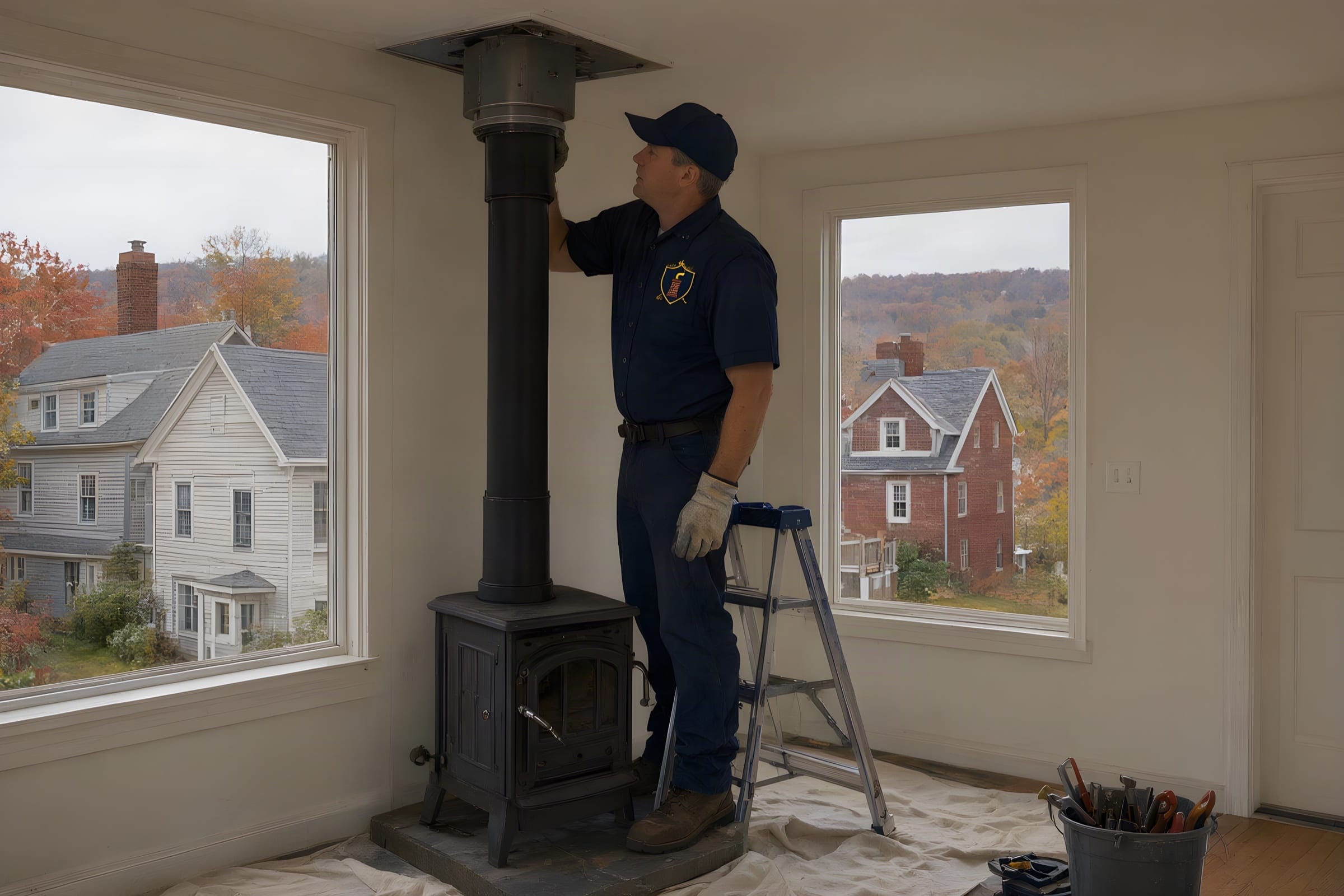
Binghamton Master Chimney Sweep does wood stove chimney installation in Binghamton for people who just bought a stove and need a safe way to get the smoke out. That's a prefab Class A chimney, the stovepipe to reach it, or a liner down the brick chimney you already have.
We don't sell stoves. You pick the stove from a dealer, and we build the chimney it sits under. Where the stove goes decides the route, and the route decides most of the price.
Most Southern Tier installs land in one of these:
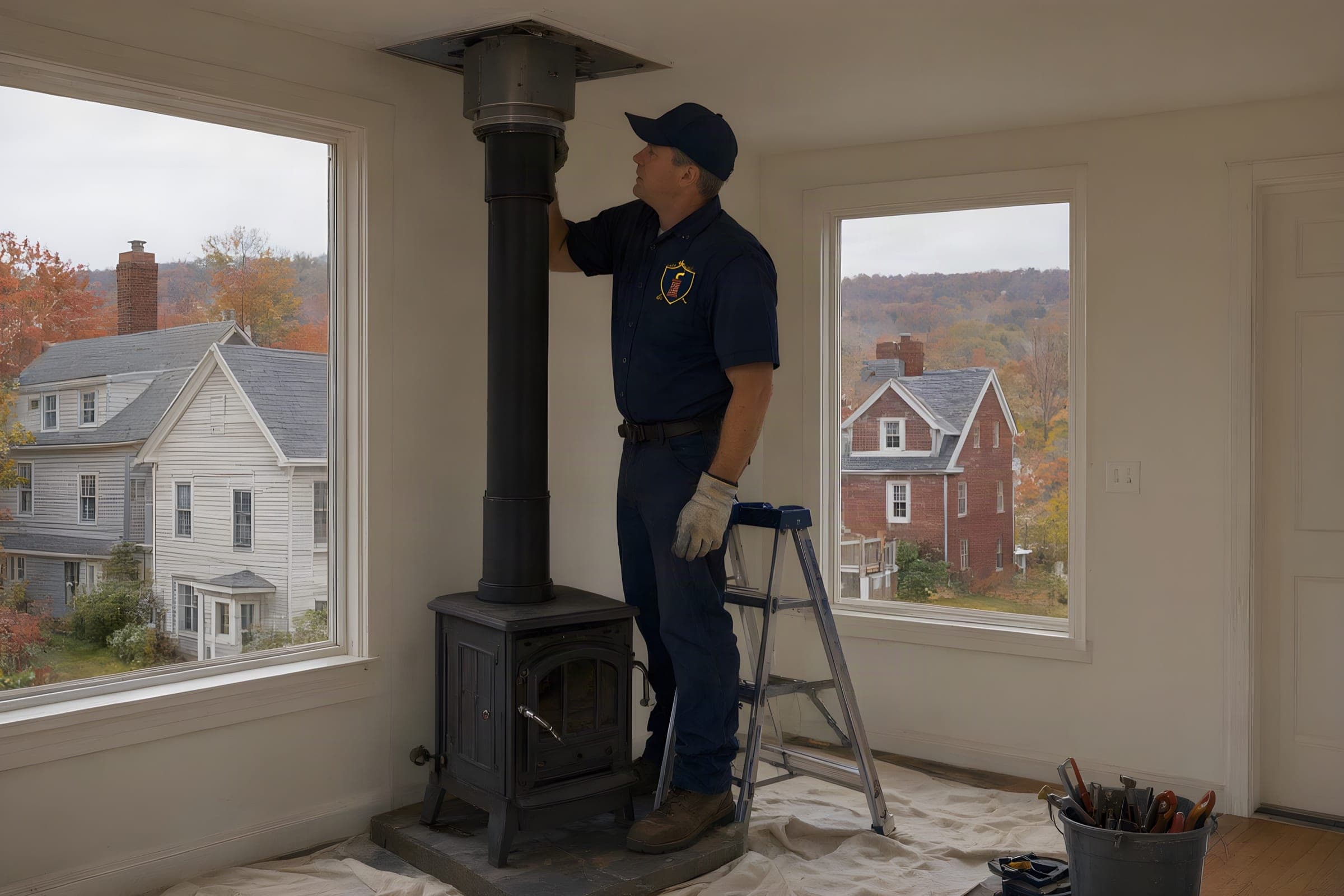
The cleanest setup: insulated Class A chimney pipe (listed to UL 103HT) goes straight up from the stove, through a ceiling support box, through the attic and out the roof. Straight pipe drafts best and sweeps in minutes.
When there's a bedroom above the stove, the pipe goes out through the wall with an insulated tee and climbs the outside of the house on wall brackets. It costs a little less to frame, but the outside run gets colder, so it builds more creosote.
The black stovepipe (connector pipe) runs from the stove collar to the chimney. Single-wall pipe needs about 18 inches of air to anything that burns; double-wall usually needs 6. That difference decides how close to the wall your stove can sit.
Got an old brick chimney? A stove usually can't just share the big clay flue. We run a stainless steel liner sized to the stove's outlet, often 6 inches, so the smoke stays hot and moves fast.
Before we leave, we measure every clearance again, check the cap and the storm collar, and walk you through a first small break-in fire. We'd rather you burn it the first time with us still in the driveway.
A wood stove chimney in Binghamton costs $2,000 to $4,500 for an insulated Class A metal chimney through the ceiling and roof, or $1,800 to $3,800 up an outside wall. Stovepipe into an already lined chimney runs $300 to $800. The stove itself isn't included in these prices.
The stove itself isn't in these numbers. We price the chimney in writing once we've seen the room, the attic and the roof.
A wood stove chimney has to stick up at least 3 feet above the spot where it leaves the roof, and end at least 2 feet higher than any part of the roof within 10 feet. Installers call it the 3-2-10 rule. On a steep Binghamton roof, that often means the chimney ends up taller than people expect.
Cut that height short and the stove smokes every time the wind comes over the ridge. We've been called to fix plenty of stove chimneys that were "close enough" and puffed smoke into the living room all winter.
Usually, yes. Wood stoves and their chimneys fall under the New York State building code, and the City of Binghamton or your town's code office normally wants a permit and a final look. Your homeowner's insurance company will probably want to know about the stove too, so tell them before the first fire.
With around 83 inches of snow a season, sliding snow is the real enemy of a metal chimney here. Anything taller than about 5 feet above the roof gets a roof brace, and on metal roofs we like to put the chimney near the ridge, where snow can't push on it as hard.
| Route | Good for | Watch for |
|---|---|---|
| Straight up inside | Best draft, least creosote, easy sweeping | Needs a clear path through the floor above |
| Outside wall | Rooms with living space above | Colder pipe builds more creosote |
| Liner in brick chimney | Houses with an unused fireplace flue | The old chimney must be sound first |
Out toward Whitney Point and the other rural towns, more homes heat with wood than in the city, and most of our stove chimney installs come from there. Once the stove is running, plan on a yearly wood stove chimney cleaning. Our sweep runs $250 for the first flue, with the inspection included.
Yes, in most cases, but not straight into the old flue. A fireplace flue is far too big for a stove's smoke, so it cools down and coats the tiles with creosote. A stainless steel liner sized to the stove's outlet fixes that, and a full-length liner is what most stove manuals ask for.
No. We don't sell stoves, and we leave setting the stove to you and your dealer. Our part is everything the smoke touches after it leaves the stove: the stovepipe, the chimney or liner, the flashing and the cap. Bring us the stove's manual and we'll size everything to it.
Most wood stove chimney installs take one day from the first ceiling cut to the cap on the roof. Tall runs, outside walls with long brackets and liners down crooked chimneys can stretch to two. You can usually light a small fire that same evening.
The cheapest repair on any chimney: a stainless hood and screen that keeps weather and animals out.
Read more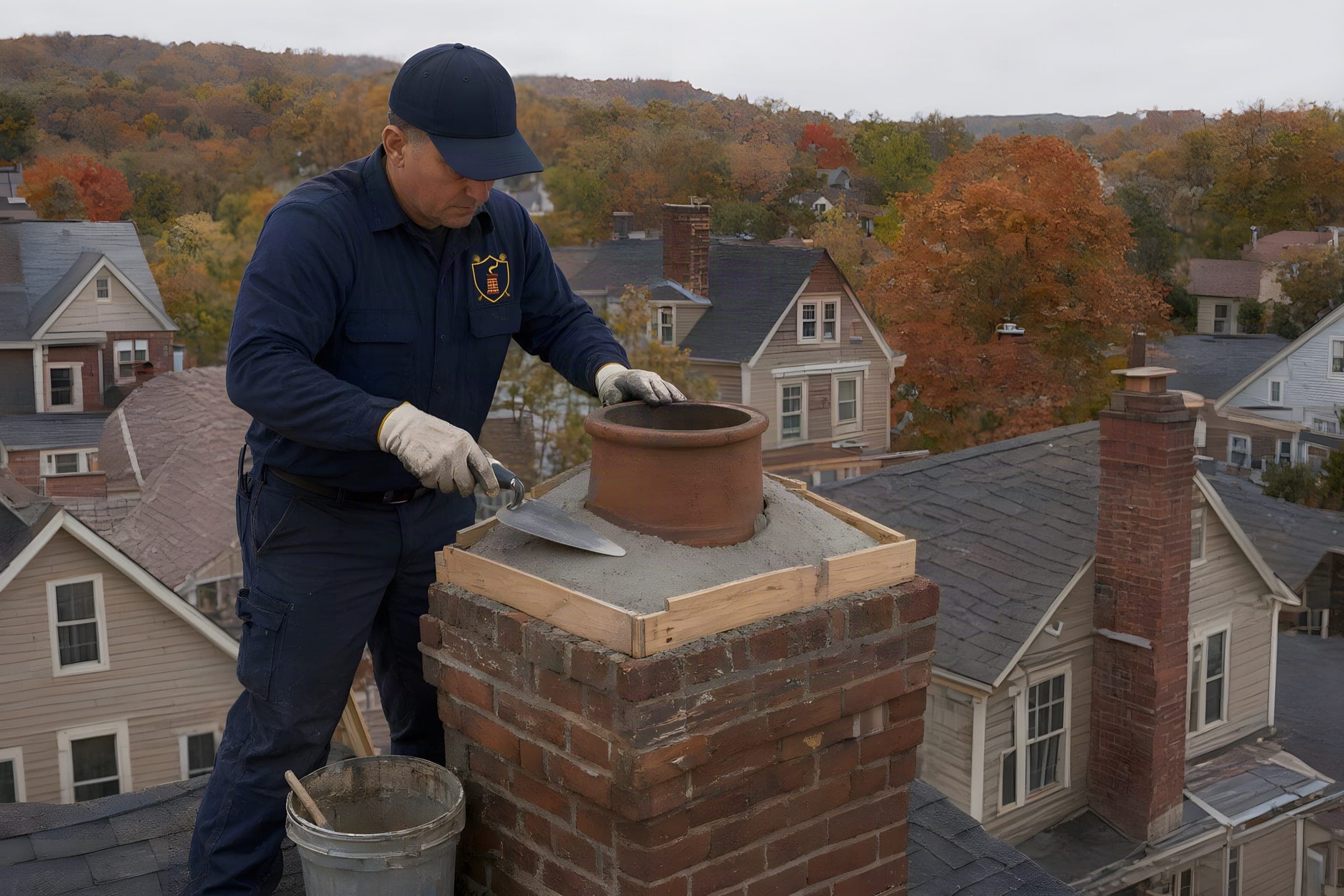
Hairline cracks sealed, broken crowns rebuilt with a real overhang so rain drips clear of the brick.
Read more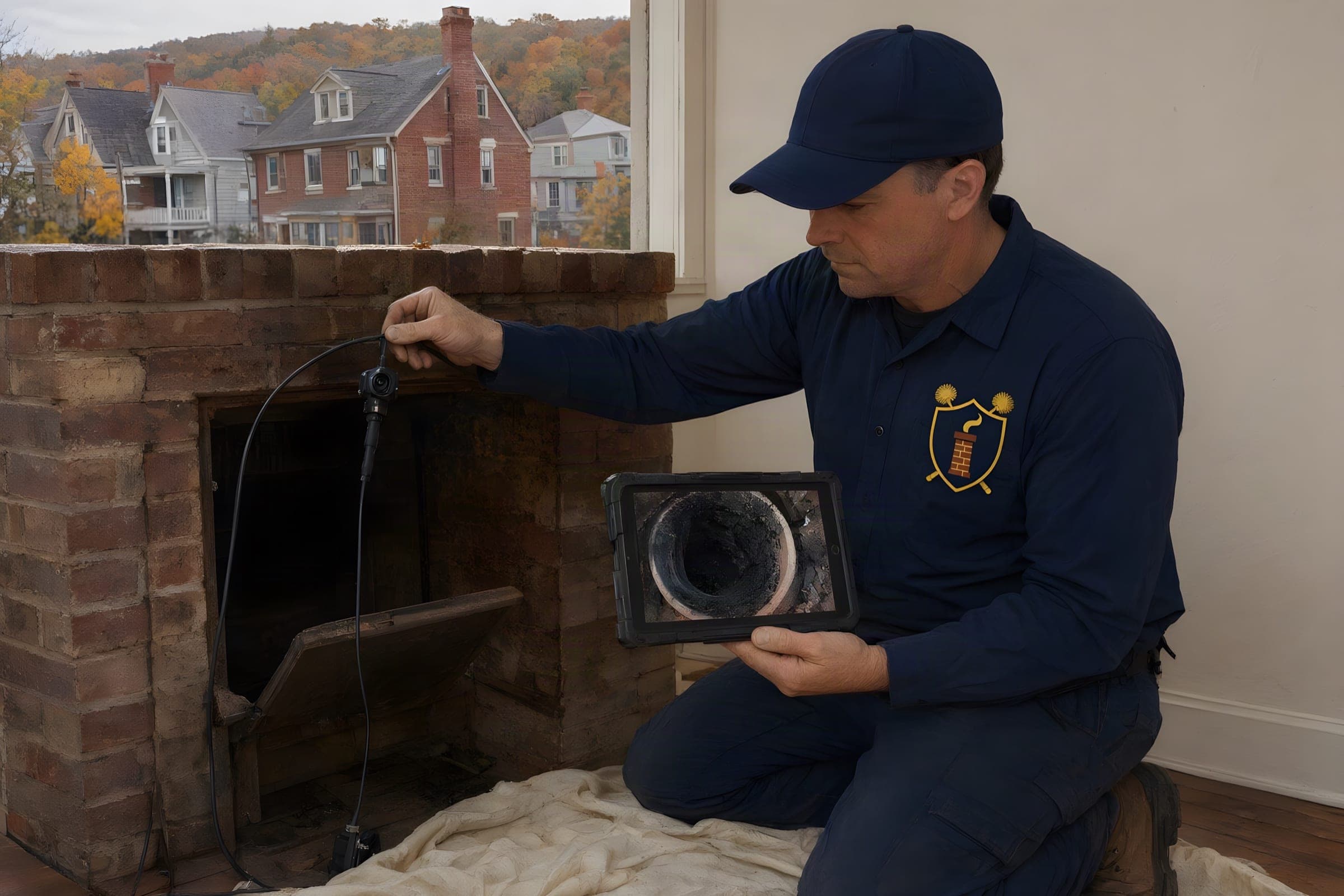
A yearly look with every sweep, or a camera run down the flue before you buy or switch stoves.
Read more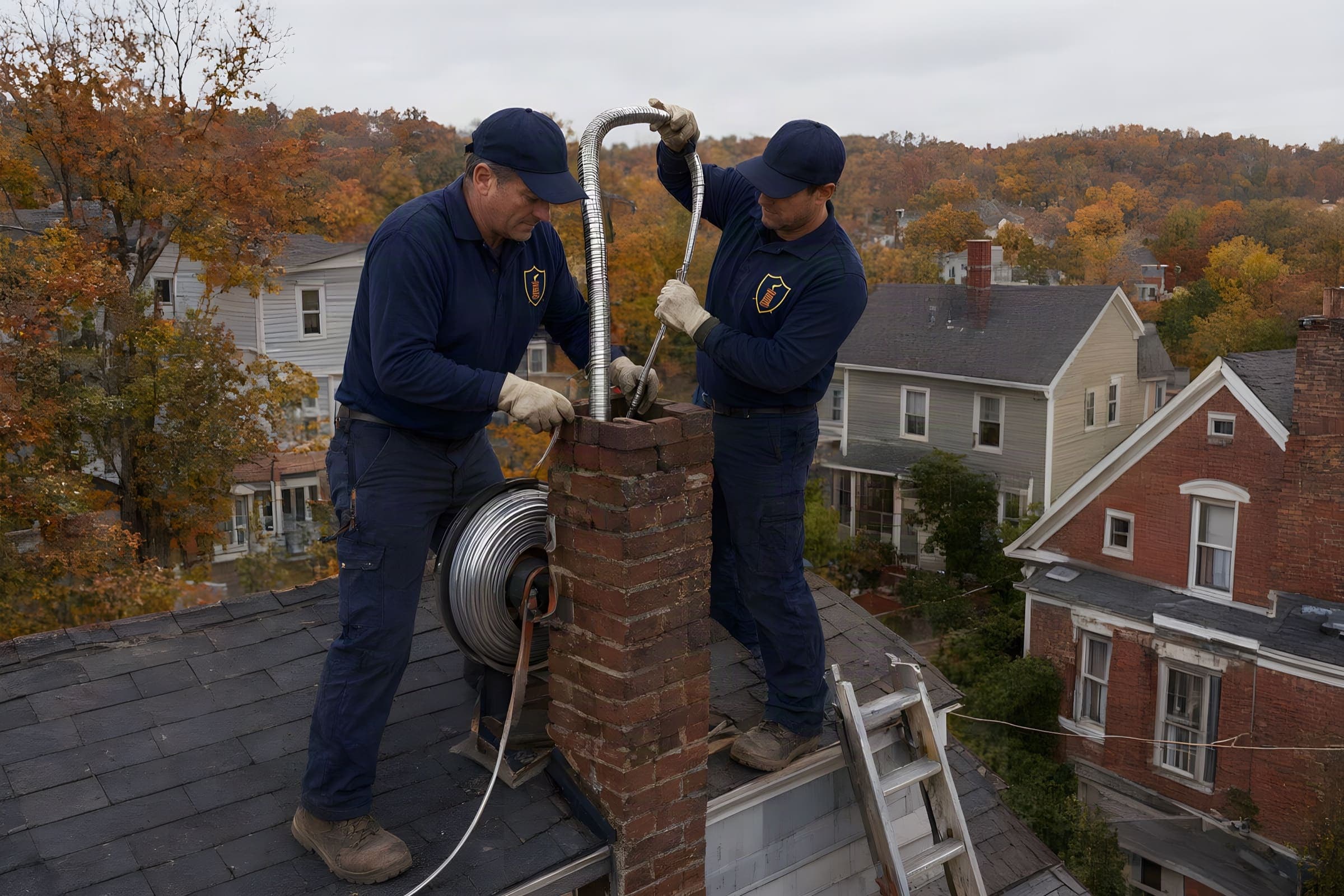
A stainless sleeve inside a cracked clay flue, sized to the stove, insert or furnace that uses it.
Read more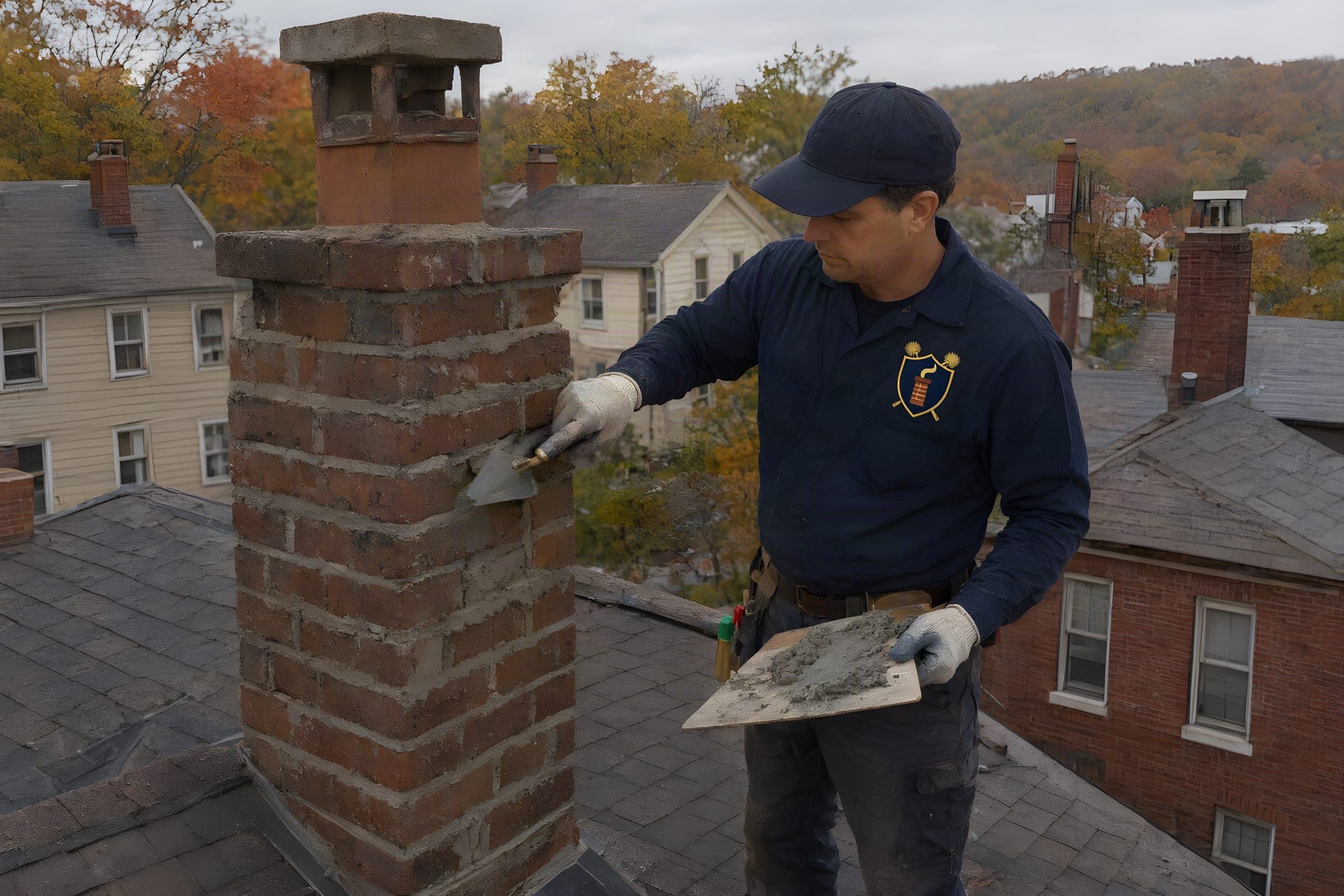
Chimney repointing, tuckpointing and brick repair: worn joints repacked and flaking brick replaced before the freeze gets further in.
Read more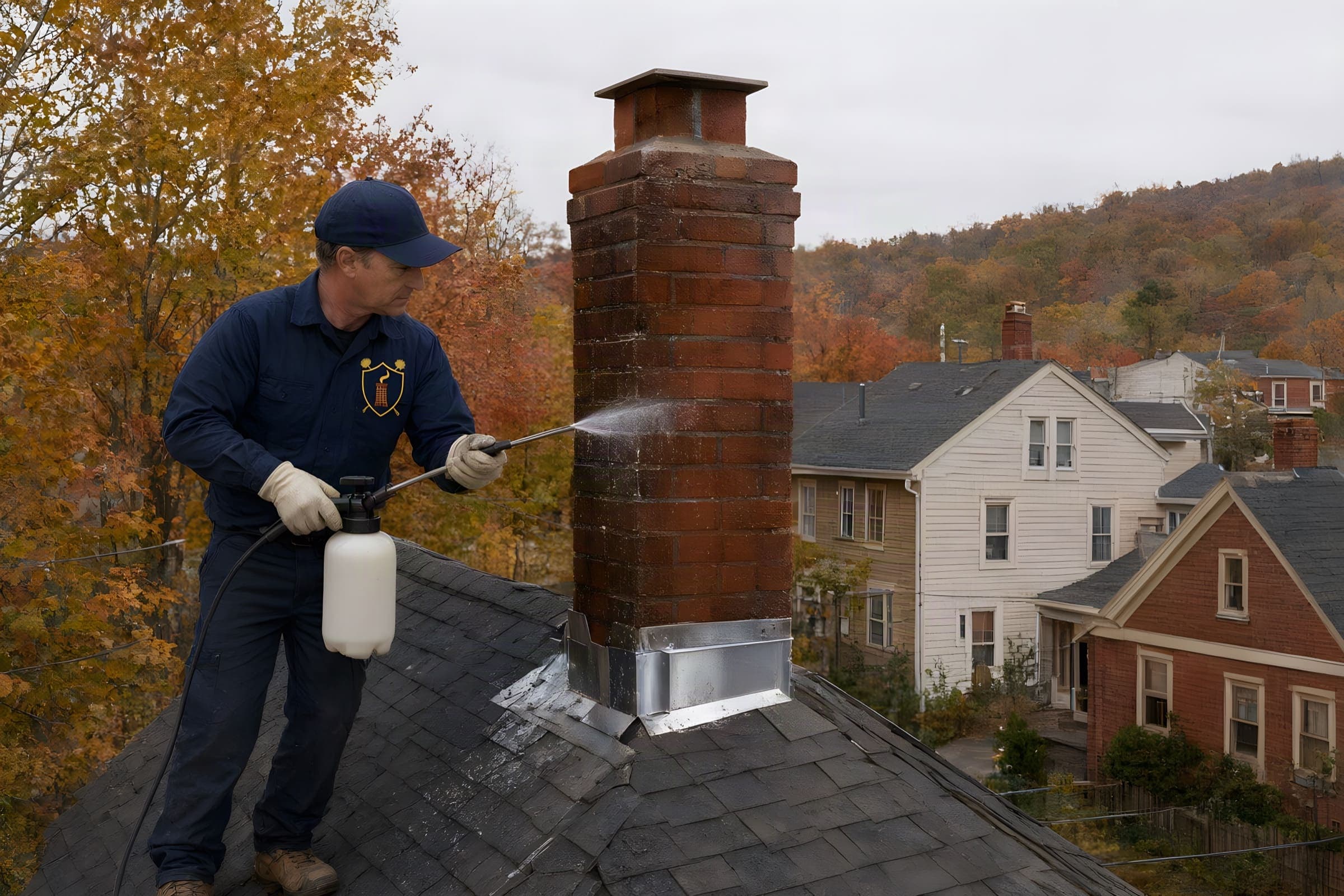
Leaks traced to the source, then sealed with a breathable repellent and flash seal.
Read more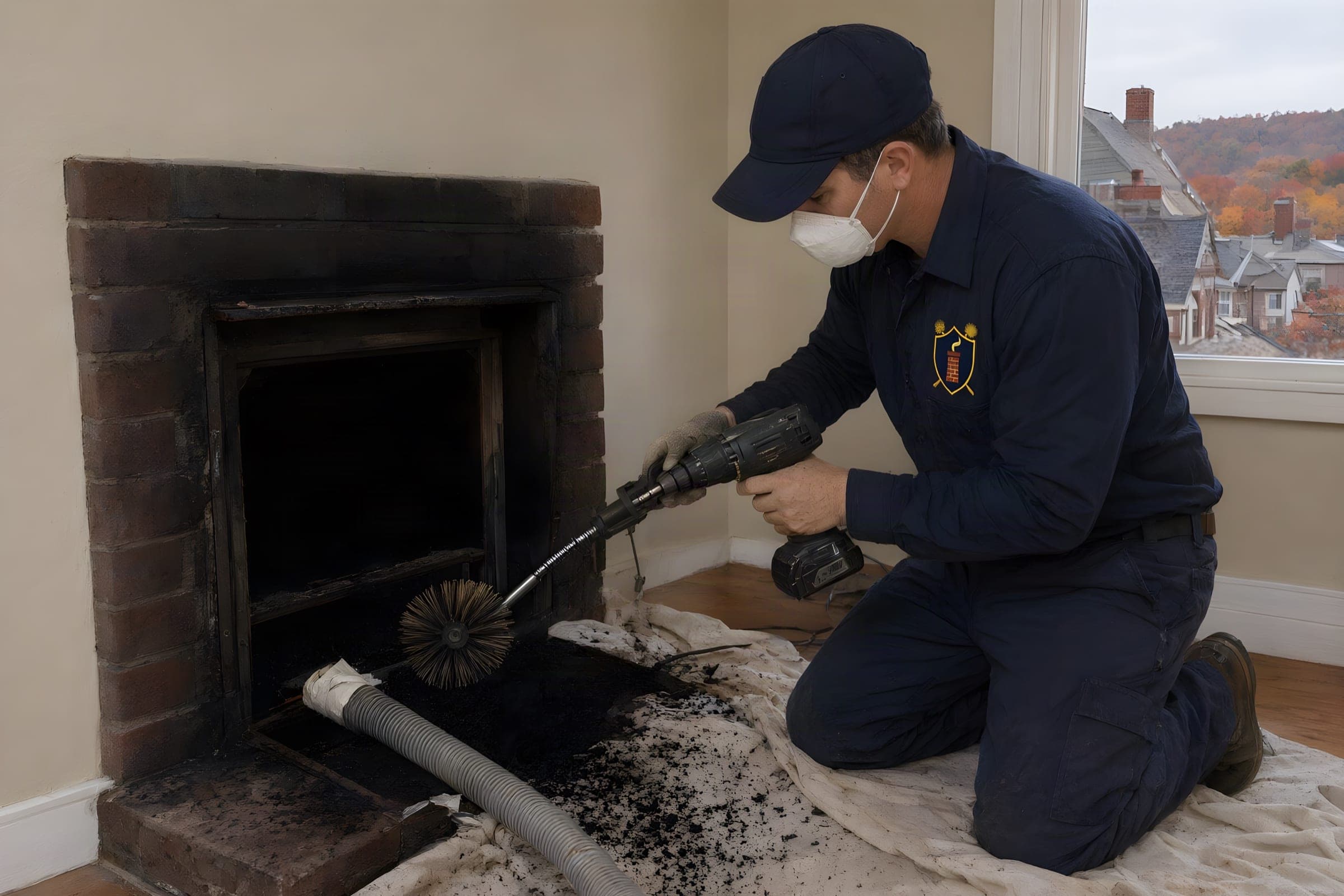
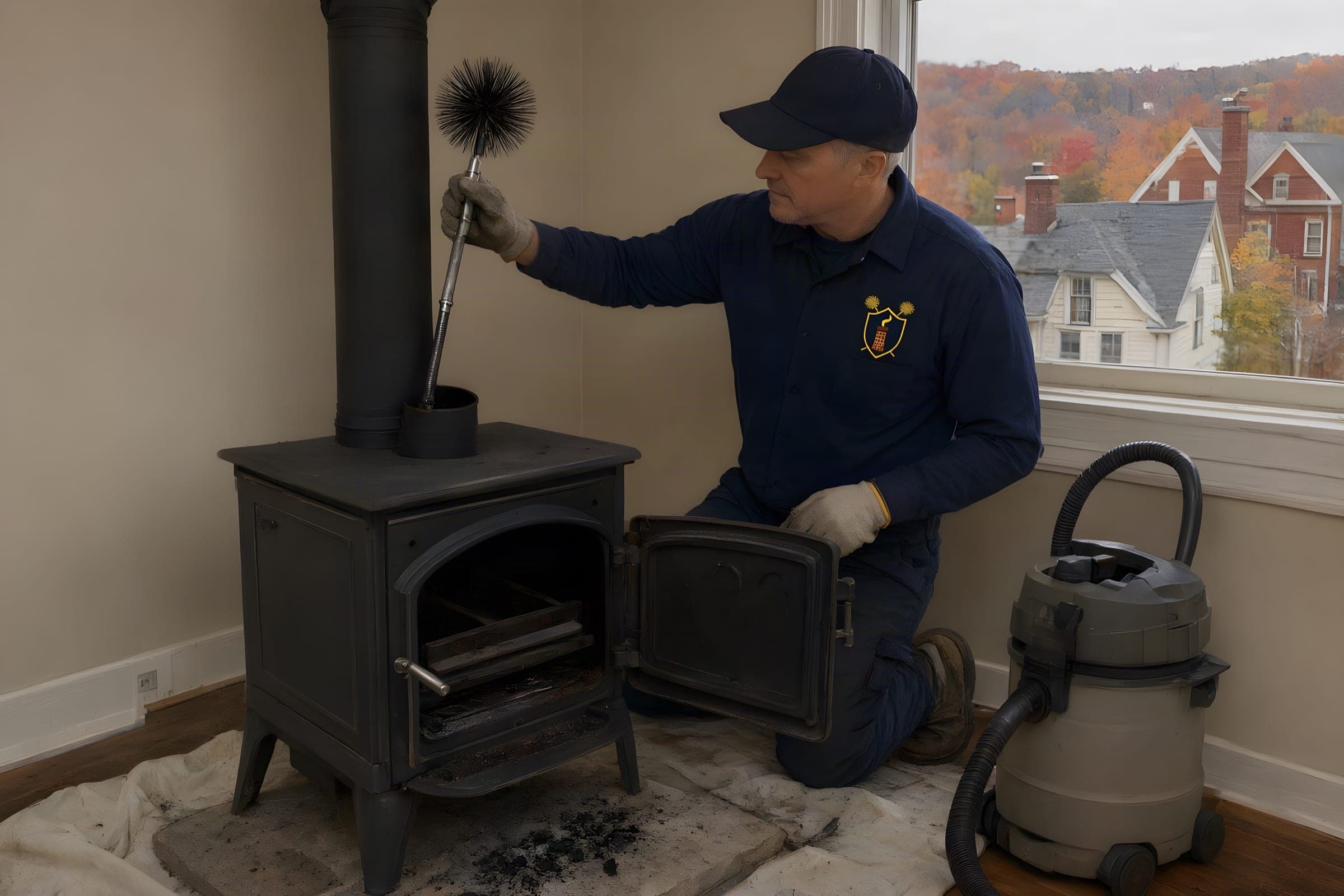
Stove and insert flues swept, baffle cleared and checked, $250 with the inspection.
Read moreLeave your name, number and a line about the chimney. We call back the same business day.